The medical device industry involves multiple sectors, including pharmaceuticals, machinery, electronics, and materials. It is a high-tech industry characterized by multidisciplinary collaboration, knowledge intensity, and capital intensity. High-tech medical equipment is fundamentally characterized by digitalization and computerization. It represents the culmination of modern high technology across multiple disciplines and fields. Its products have high technological content and high profit margins, making it a highly competitive arena for major technological powers and large international companies, with high barriers to entry. Even in sub-sectors with lower overall profit margins and lower investment, high-tech products continue to emerge, giving rise to some highly profitable companies. Therefore, the overall trend in the industry is high investment and high returns.
Medical imaging equipment is an indispensable component of hospital medical equipment and a significant reflection of a hospital's overall strength. It not only provides crucial support for clinical diagnosis and treatment but also serves as an important platform for clinical scientific research. As a comprehensive platform, imaging equipment plays a vital role in promoting hospital development.
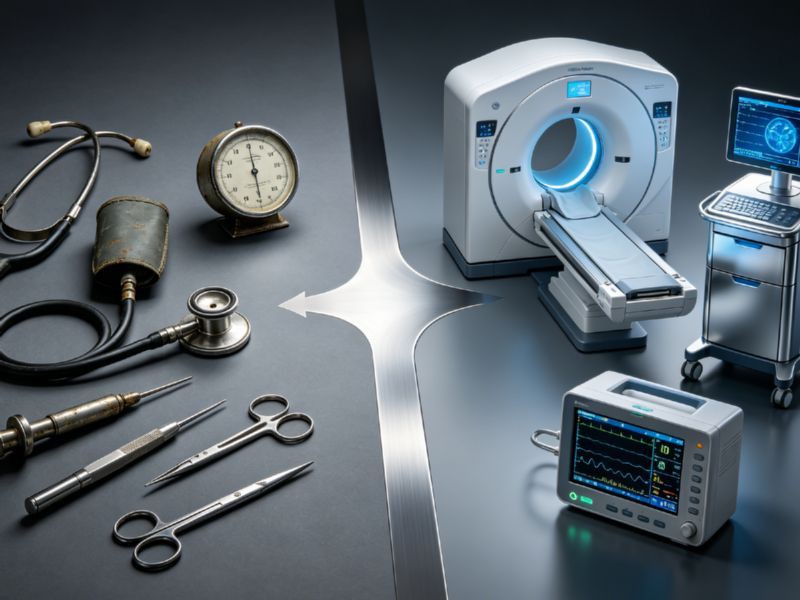
With the development of my country's medical industry and the upgrading of equipment in some hospitals, the market demand for medical imaging diagnostic equipment in my country has grown rapidly, objectively promoting the development of my country's medical imaging diagnostic equipment industry. During this rapid development, some companies have grown and strengthened, forming a certain level of competitiveness, and the market share of domestically produced medical imaging diagnostic equipment has increased.
As an important component of the pharmaceutical industry, the configuration of medical equipment in medical institutions is, for consumers, second only to the availability of physicians as a standard for evaluating medical institutions.
The medical device industry is a high-tech industry that is multidisciplinary, knowledge-intensive, and capital-intensive, with high barriers to entry. The overall level of medical equipment in Chinese medical institutions is still relatively low. In primary healthcare institutions across the country, about 15% of the medical devices and equipment are products from around the 1970s, and 60% are products from before the mid-1980s. The process of upgrading these devices will release demand, ensuring rapid growth in China's medical device market for the next 10 years or even longer.
With the deepening of reform and opening up, the increasing support from the government, and the acceleration of globalization, China's medical device industry has achieved rapid development. According to the "China Medical Device Industry Market Outlook and Investment Forecast Analysis Report [1]", China became the world's third largest medical device market in 2005, second only to the United States and Japan. In 2006, China's medical device import and export volume exceeded US$10 billion for the first time, with a total import and export value of US$10.552 billion, an increase of 17.57% year-on-year, and a cumulative trade surplus of US$3.19 billion. In 2007, China's total import and export volume of medical devices was US$12.697 billion, an increase of 20.33% year-on-year, with a trade surplus of US$4.133 billion for the whole year. Although there is a gap between China's medical device industry and that of developed countries, the speed of development of China's medical device industry has attracted worldwide attention. China's latest medical device products are also at the forefront of the international medical device industry. In the next few years, China will surpass Japan to become the world's second largest medical device market. By 2010, the total output value of China's medical device industry will reach RMB100 billion, accounting for 5% of the world's medical device market, and by 2050, this share will reach 25%.