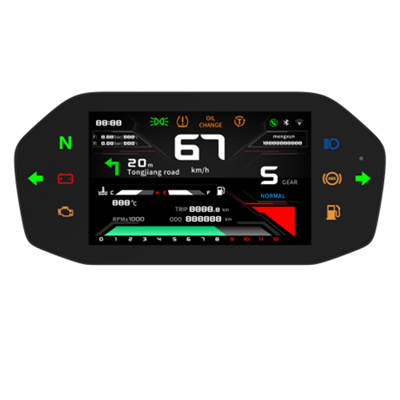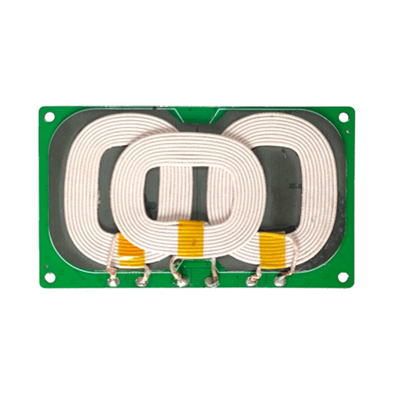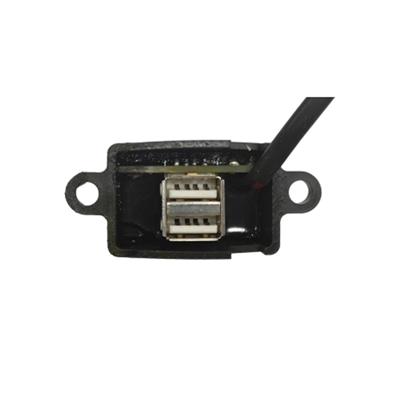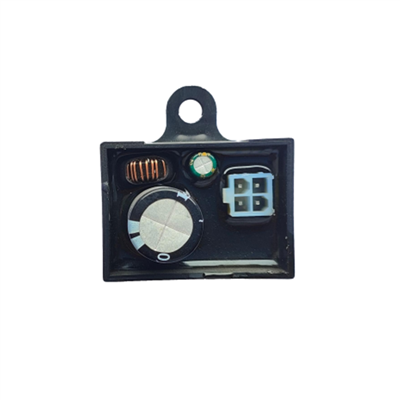
Injection molding is an indispensable processing method in the automotive parts manufacturing industry. Compared to metal parts such as steel and aluminum, injection-molded parts in automobiles have higher plasticity and durability, and also offer lower production costs and shorter production cycles, resulting in higher overall manufacturing efficiency.
Most panels of automotive plastic parts, such as dashboard frames, battery brackets, front-end modules, control boxes, seat support frames, spare tire holders, mudguards, chassis covers, sound insulation panels, and rear door frames, are made of engineering plastics ABS or ABS/PC. Generally, doors, dashboards, bumpers, and gear plates are made of polypropylene. Engine hoods are made of lead and polypropylene. PC/ABS is usually purchased from material manufacturers. Plastic parts are lightweight, come in a variety of colors, are aesthetically pleasing, and have a good weight-loss effect, which can also reduce the weight of the vehicle body itself. They can be recycled multiple times. In automotive recycling, metal products are often too old or rusted, rendering them worthless. Because plastic products can be melted and recycled, and can be processed twice after melting without causing any damage, automotive plastic parts are becoming increasingly popular.