Automotive electronic products are diverse, covering everything from core control to infotainment. These electronic products and systems collectively constitute the "nervous system" and "brain" of the modern automobile.
Powertrain control systems include the engine control unit (ECU), which controls fuel injection, ignition timing, emissions, etc.; and the transmission control unit (TCU), which controls the shift logic of automatic, dual-clutch, or continuously variable transmissions. The "three-electric" systems of new energy vehicles include the vehicle control unit (VCU), battery management system (BMS), and motor controller (MCU).
Chassis and safety control systems include anti-lock braking system (ABS), electronic stability program (ESP/ESC), electronic brake force distribution (EBD), and traction control system (TCS/ASR). They also include passive safety components such as electric power steering (EPS), electronic parking brake (EPB), tire pressure monitoring system (TPMS), and airbag control unit (ACU).
The core of the body electronic system is the body control module (BCM), which centrally manages functions such as lights, windows, wipers, and anti-theft systems. This also includes lighting control modules, air conditioning control modules, seat control modules, and keyless entry/push-button start systems.
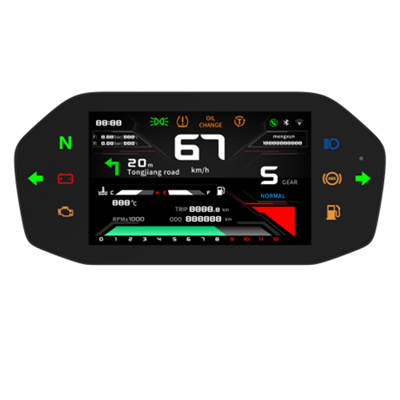
The infotainment and in-vehicle information system includes the in-vehicle infotainment (IVI) head unit, digital instrument cluster, head-up display (HUD), and rear-seat entertainment screens. The in-vehicle communication module (T-Box) is used for vehicle networking, remote control, and emergency call (eCall), while the navigation system relies on a GPS module.
The driver assistance and autonomous driving system relies on various sensors such as cameras, millimeter-wave radar, LiDAR, and ultrasonic radar. The corresponding control units implement functions such as adaptive cruise control (ACC), automatic emergency braking (AEB), lane keeping assist (LKA)/lane departure warning (LDW), blind spot detection (BSD), traffic sign recognition (TSR), and automatic parking assist (APA).
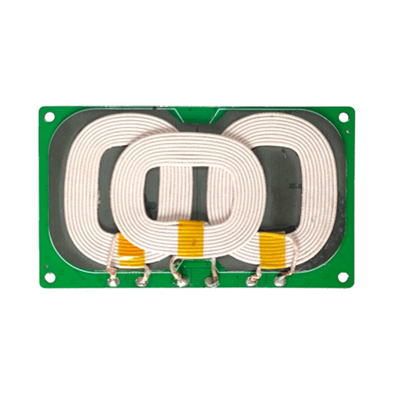
Comfort and convenience systems include automatic air conditioning, automatic wipers, auto-dimming rearview mirror, power tailgate/sliding door control, ambient lighting, and a wireless charging pad.
Sensors and actuators, as the foundation of all control systems, are distributed throughout the vehicle. Sensors include those for temperature, pressure, position, speed, acceleration, light intensity, and rainfall; actuators include various motors, solenoid valves, relays, etc., responsible for executing control commands.
In-vehicle networks and communications include bus technologies such as CAN, LIN, FlexRay, MOST, and automotive Ethernet, as well as gateway devices. These constitute the data communication network for the various electronic control units within the vehicle.