
Do hard plastic caps have a good chemical stability?
As a supplier of hard plastic caps, I've often been asked about the chemical stability of our products. Chemical stability is a crucial factor when it comes to the performance and longevity of plastic caps, especially in various industries where they are used to seal containers holding different substances.
Understanding Chemical Stability in Hard Plastic Caps
Chemical stability refers to the ability of a material to resist chemical reactions under specific conditions. For hard plastic caps, this means they should not react with the contents of the container they are sealing, nor should they degrade when exposed to environmental factors such as humidity, temperature changes, or contact with different chemicals.
The chemical stability of hard plastic caps depends on several factors, including the type of plastic used, the manufacturing process, and the additives incorporated into the plastic. Common plastics used for hard plastic caps include polyethylene (PE), polypropylene (PP), and polycarbonate (PC). Each of these plastics has its own unique chemical properties and levels of stability.
Polyethylene (PE)
PE is a widely used plastic for hard plastic caps due to its excellent chemical resistance. It is resistant to many acids, bases, and solvents, making it suitable for sealing containers holding a variety of substances. PE caps are commonly used in the food and beverage industry, as well as in the pharmaceutical and cosmetic industries. For example, PE caps are used to seal bottles of fruit juices, soft drinks, and shampoo.

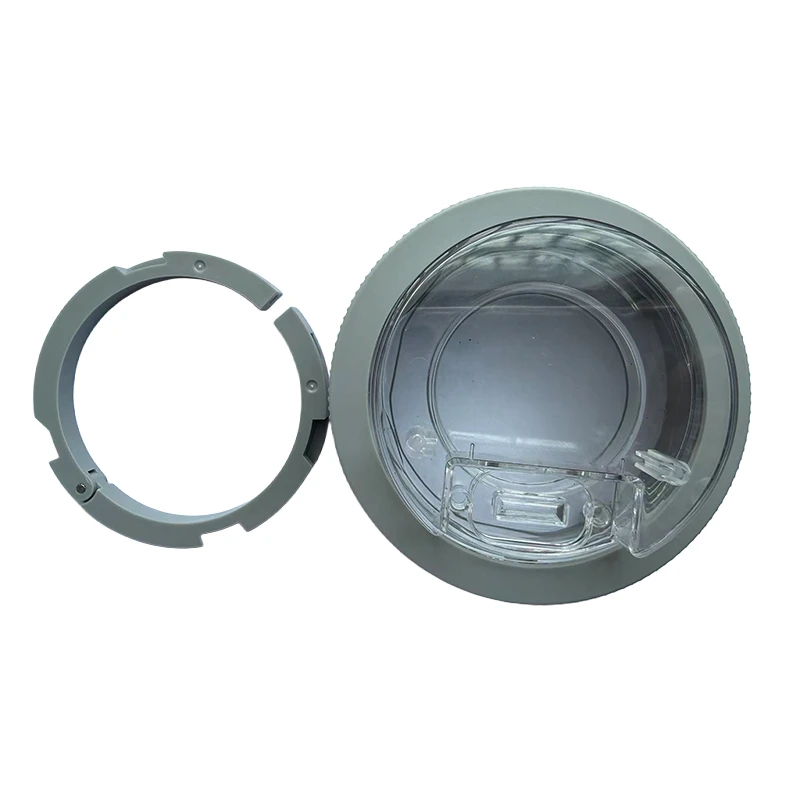
Polypropylene (PP)
PP is another popular choice for hard plastic caps. It has similar chemical resistance to PE but is also more rigid and has a higher melting point. PP caps are often used in applications where a higher level of durability is required, such as in the automotive and industrial sectors. For instance, PP caps are used to seal engine oil containers and chemical storage tanks.
Polycarbonate (PC)
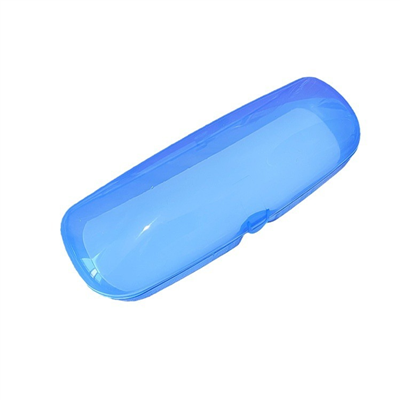
PC is a strong and transparent plastic that offers excellent chemical stability. It is resistant to many chemicals, including acids, bases, and solvents, and has good impact resistance. PC caps are commonly used in applications where clarity is important, such as in the packaging of electronic devices and medical equipment. For example, PC caps are used to seal the lenses of Plastic Eye Glass Case.
Manufacturing Process and Chemical Stability
The manufacturing process of hard plastic caps can also affect their chemical stability. Injection molding is the most common method used to produce hard plastic caps. During the injection molding process, the plastic is heated to a molten state and then injected into a mold cavity. The quality of the injection molding process, including the temperature, pressure, and cooling rate, can impact the chemical stability of the final product.
If the injection molding process is not properly controlled, it can lead to the formation of defects such as voids, cracks, or uneven thickness in the cap. These defects can reduce the chemical stability of the cap and make it more susceptible to chemical reactions. Therefore, it is important to ensure that the injection molding process is carried out under optimal conditions to produce high-quality hard plastic caps with good chemical stability.
Additives and Chemical Stability
Additives are often incorporated into the plastic used to make hard plastic caps to improve their performance and properties. These additives can include antioxidants, UV stabilizers, and flame retardants. While these additives can enhance the chemical stability of the plastic caps, they can also have an impact on their compatibility with the contents of the container.
For example, some antioxidants and UV stabilizers can react with certain chemicals in the container, leading to the formation of unwanted by-products or discoloration. Therefore, it is important to carefully select the additives used in the plastic caps and ensure that they are compatible with the contents of the container.
Testing and Quality Control
To ensure that our hard plastic caps have good chemical stability, we conduct a series of tests and quality control measures. These tests include chemical resistance tests, where the caps are exposed to different chemicals to evaluate their resistance to chemical reactions. We also perform environmental tests, such as temperature and humidity tests, to assess the impact of environmental factors on the chemical stability of the caps.
In addition to these tests, we also have a strict quality control system in place to ensure that all our hard plastic caps meet the highest standards of quality and chemical stability. This includes regular inspections of the manufacturing process, as well as testing of the final products before they are shipped to our customers.
Applications and Benefits of Hard Plastic Caps with Good Chemical Stability
Hard plastic caps with good chemical stability have a wide range of applications in various industries. Some of the common applications include:
Food and Beverage Industry
In the food and beverage industry, hard plastic caps are used to seal bottles and containers holding a variety of products, such as juices, soft drinks, sauces, and condiments. The chemical stability of the caps ensures that they do not react with the contents of the container, preserving the quality and freshness of the food and beverage products.
Pharmaceutical and Cosmetic Industries
In the pharmaceutical and cosmetic industries, hard plastic caps are used to seal bottles and containers holding drugs, creams, lotions, and other products. The chemical stability of the caps is crucial to ensure the safety and effectiveness of the products. For example, the caps must not react with the active ingredients in the drugs or cosmetics, and they must provide a tight seal to prevent contamination.
Automotive and Industrial Sectors
In the automotive and industrial sectors, hard plastic caps are used to seal containers holding engine oil, coolant, hydraulic fluid, and other chemicals. The chemical stability of the caps ensures that they can withstand the harsh conditions and chemicals used in these applications, preventing leaks and ensuring the proper functioning of the equipment.
Conclusion
In conclusion, hard plastic caps can have good chemical stability, depending on the type of plastic used, the manufacturing process, and the additives incorporated into the plastic. By carefully selecting the materials and manufacturing processes, and by conducting thorough testing and quality control measures, we can ensure that our hard plastic caps have excellent chemical stability and meet the needs of our customers in various industries.
If you are interested in purchasing high-quality hard plastic caps with good chemical stability, please feel free to contact us for a quote and to discuss your specific requirements. We look forward to working with you to provide the best solutions for your packaging needs.
References
- "Plastic Materials: Properties and Applications" by Christopher Hall
- "Injection Molding Handbook" by Dominick V. Rosato and Donald V. Rosato
- "Chemical Resistance of Plastics" by C. A. Harper