
As a supplier of plastic remote control housing, I am well - versed in the regulatory requirements that govern this product. In this blog, I will explore the various regulatory aspects that we need to adhere to in the production and distribution of plastic remote control housing.
1. Material Safety Regulations
The first and most crucial aspect of regulatory requirements for plastic remote control housing is material safety. The plastic materials used in the housing must be non - toxic and free from harmful substances. For instance, in many countries, the use of lead, mercury, cadmium, and other heavy metals is strictly regulated. These heavy metals can leach out over time, posing a significant health risk, especially to children who may come into contact with the remote controls.
We also need to comply with regulations regarding flame retardancy. Plastic remote control housing should have a certain level of fire resistance to prevent the spread of fire in case of an electrical short - circuit or other fire - related incidents. This often involves using flame - retardant additives in the plastic during the manufacturing process.
2. Environmental Regulations
In recent years, environmental regulations have become increasingly important. Plastic waste is a major global concern, and as a plastic remote control housing supplier, we are required to follow regulations related to the use of sustainable materials and waste management.
Many regions encourage the use of recyclable plastics. We need to ensure that the plastic materials we use can be recycled at the end of the product's life. This not only helps in reducing environmental pollution but also meets the growing demand from consumers for eco - friendly products.
We also need to manage our production waste properly. This includes recycling scrap plastic generated during the manufacturing process and disposing of non - recyclable waste in an environmentally responsible manner. For example, some countries have strict regulations on the disposal of plastic waste in landfills, and we must comply with these rules.
3. Electrical and Mechanical Safety Regulations
Since remote controls are electronic devices, they are subject to electrical and mechanical safety regulations. The plastic housing must provide adequate insulation to prevent electrical shocks. It should also be able to withstand normal wear and tear, as well as accidental drops and impacts.
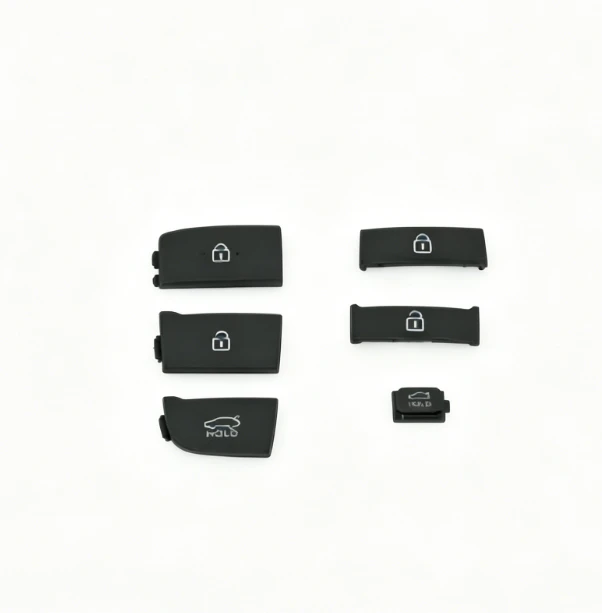

The design of the housing should ensure that all electrical components are properly protected. For example, there should be no exposed wires or sharp edges that could cause injury. The buttons on the remote control, such as the PVC Push Button, should be designed in a way that they function correctly and do not pose a choking hazard, especially for small children.
4. Product Labeling and Certification
Regulatory requirements also extend to product labeling and certification. We are required to label the plastic remote control housing with information such as the material used, recycling instructions, and safety warnings. This helps consumers make informed decisions and also ensures that the product meets the necessary standards.
Certification is another important aspect. We need to obtain relevant certifications, such as CE (Conformité Européene) in Europe or UL (Underwriters Laboratories) in the United States. These certifications indicate that the product meets the safety and quality standards set by the respective regulatory bodies.
5. International Trade Regulations
If we are involved in international trade, we need to comply with a variety of trade regulations. Different countries have different import and export requirements for plastic products. For example, some countries may have tariffs or quotas on plastic imports, and we need to be aware of these regulations to avoid any legal issues.
We also need to ensure that our products meet the regulatory requirements of the target markets. This may involve additional testing and certification to comply with the local standards. For example, a product that is certified in one country may not meet the requirements of another country, and we need to adjust our production accordingly.
6. Design and Ergonomic Regulations
In addition to the above - mentioned regulations, there are also design and ergonomic regulations. The plastic remote control housing should be designed in a way that is comfortable to hold and easy to use. It should fit the human hand properly and the buttons should be easy to press.
The overall design of the housing should also be aesthetically pleasing. This not only enhances the user experience but also makes the product more marketable. For example, we can offer different colors and styles of plastic remote control housing to meet the diverse needs of consumers.
7. Quality Control and Testing
To ensure compliance with all the regulatory requirements, we have a strict quality control and testing process in place. We conduct regular tests on the plastic materials, the finished products, and the manufacturing processes.
Material testing includes checking for the presence of harmful substances, measuring the physical and chemical properties of the plastic, and testing for flame retardancy. Product testing involves checking the electrical and mechanical performance of the remote control, as well as the durability and safety of the housing.
We also perform user - experience testing to ensure that the remote control is easy to use and comfortable to hold. This helps us identify any potential design flaws and make necessary improvements.
Conclusion
As a plastic remote control housing supplier, we are constantly faced with a complex set of regulatory requirements. These requirements cover material safety, environmental protection, electrical and mechanical safety, product labeling, international trade, design, and quality control. By complying with these regulations, we not only ensure the safety and quality of our products but also contribute to the sustainable development of the industry.
If you are interested in purchasing plastic remote control housing or other injection - molded plastic products such as Perspex Pen Holder and Acrylic Plastic Keychain, we are here to provide high - quality products that meet all the regulatory requirements. We welcome you to contact us for procurement discussions and look forward to building a long - term business relationship with you.
References
- European Union regulations on plastic product safety
- United States Consumer Product Safety Commission guidelines
- International Organization for Standardization (ISO) standards for plastic materials and products