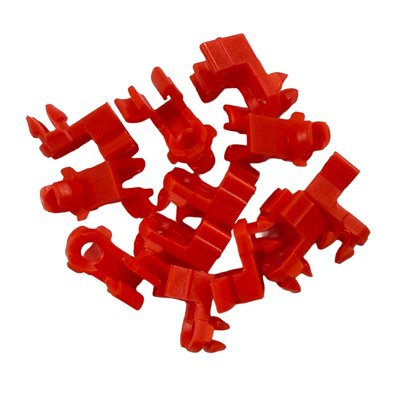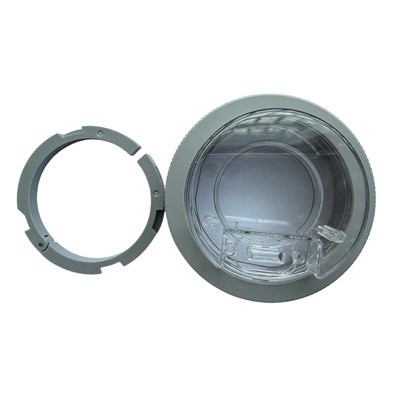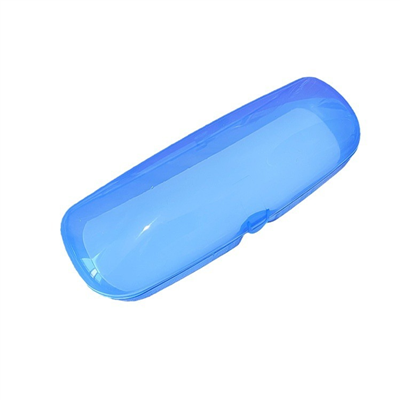

As a seasoned supplier of hard plastic caps, I've witnessed firsthand the dynamic evolution of the plastic industry. In this blog, I'll delve into the future trends of hard plastic caps, exploring the factors that will shape their development and the opportunities that lie ahead.
Sustainability: The Driving Force
In recent years, sustainability has become a buzzword across industries, and the plastic cap market is no exception. Consumers are increasingly demanding environmentally friendly products, and this trend is expected to continue in the future. As a result, manufacturers of hard plastic caps are under pressure to develop more sustainable solutions.
One of the most significant trends in the sustainable plastic cap market is the use of recycled materials. Many companies are now using recycled plastics to produce their caps, reducing the demand for virgin materials and minimizing the environmental impact. For example, some caps are made from post-consumer recycled PET (rPET), which is derived from recycled plastic bottles. This not only helps to reduce waste but also conserves resources and energy.
Another trend is the development of biodegradable and compostable plastic caps. These caps are designed to break down naturally in the environment, reducing the amount of plastic waste that ends up in landfills and oceans. While biodegradable and compostable plastics are still relatively new, they are expected to gain popularity in the coming years as consumers become more aware of their environmental benefits.
In addition to using recycled and biodegradable materials, manufacturers are also exploring ways to reduce the weight and volume of their caps. This not only reduces the amount of plastic used but also lowers transportation costs and energy consumption. For example, some caps are now designed with thinner walls or a more streamlined shape, which can significantly reduce their weight without compromising their functionality.
Technological Advancements: Innovation and Efficiency
The plastic cap industry is constantly evolving, and technological advancements are playing a crucial role in driving innovation and efficiency. One of the most significant technological trends in the industry is the use of injection molding technology. Injection molding is a manufacturing process in which molten plastic is injected into a mold cavity to form a specific shape. This process is highly efficient and can produce high-quality caps in large quantities.
In recent years, injection molding technology has become more advanced, allowing manufacturers to produce caps with greater precision and complexity. For example, some injection molding machines are now equipped with advanced sensors and control systems that can monitor and adjust the molding process in real-time, ensuring that each cap is produced to the exact specifications.
Another technological trend in the plastic cap industry is the use of 3D printing. 3D printing is a manufacturing process in which a three-dimensional object is created by depositing successive layers of material. This process is highly flexible and can produce caps with complex geometries and designs that are difficult or impossible to produce using traditional manufacturing methods.
While 3D printing is still relatively new in the plastic cap industry, it is expected to become more widespread in the coming years as the technology becomes more affordable and accessible. 3D printing can offer several advantages over traditional manufacturing methods, including faster prototyping, reduced waste, and the ability to produce customized caps.
Design and Functionality: Meeting Consumer Needs
In addition to sustainability and technological advancements, design and functionality are also important factors in the future of hard plastic caps. Consumers are increasingly looking for caps that are not only functional but also aesthetically pleasing. As a result, manufacturers are focusing on developing caps with innovative designs and features that meet the needs of consumers.
One of the most significant design trends in the plastic cap industry is the use of ergonomic designs. Ergonomic designs are designed to fit comfortably in the hand and make it easy to open and close the cap. For example, some caps are now designed with a ribbed or textured surface, which provides a better grip and makes it easier to twist the cap open.
Another design trend is the use of decorative elements. Caps can be decorated with a variety of elements, such as logos, colors, and patterns, to make them more visually appealing. This can help to differentiate a product from its competitors and increase brand recognition.
In addition to design, functionality is also an important factor in the future of hard plastic caps. Consumers are looking for caps that are easy to use and provide a secure seal. As a result, manufacturers are developing caps with innovative features, such as tamper-evident seals, child-resistant closures, and easy-open tabs.
Market Trends: Growth and Opportunities
The global market for hard plastic caps is expected to grow in the coming years, driven by factors such as increasing demand for packaged goods, growing awareness of environmental issues, and technological advancements. According to a report by Grand View Research, the global market for plastic caps and closures is expected to reach $58.6 billion by 2025, growing at a CAGR of 4.8% from 2019 to 2025.


One of the key market trends in the plastic cap industry is the increasing demand for caps in the food and beverage industry. The food and beverage industry is one of the largest consumers of plastic caps, and the demand for caps in this industry is expected to continue to grow in the coming years. This is due to factors such as increasing population, changing consumer lifestyles, and growing demand for convenience foods and beverages.
Another market trend is the growing demand for caps in the pharmaceutical and healthcare industry. The pharmaceutical and healthcare industry is another major consumer of plastic caps, and the demand for caps in this industry is expected to increase in the coming years. This is due to factors such as increasing demand for prescription drugs, growing awareness of healthcare issues, and strict regulations regarding the packaging of pharmaceutical products.
In addition to the food and beverage and pharmaceutical and healthcare industries, the demand for caps is also expected to grow in other industries, such as cosmetics, personal care, and household products. This is due to factors such as increasing consumer demand for these products, growing awareness of environmental issues, and technological advancements.
Conclusion: Embracing the Future
The future of hard plastic caps is bright, with opportunities for growth and innovation in the coming years. As a supplier of hard plastic caps, I am excited to be part of this dynamic industry and to contribute to the development of sustainable, innovative, and functional caps that meet the needs of consumers.
If you are interested in learning more about our hard plastic caps or would like to discuss your specific requirements, please feel free to contact us. We would be happy to provide you with more information and to help you find the right solution for your needs.
References
- Grand View Research. (2019). Plastic Caps and Closures Market Size, Share & Trends Analysis Report By Product (Screw Caps, Snap-On Caps), By End-Use (Food & Beverage, Pharmaceutical), And Segment Forecasts, 2019 - 2025.
- Smith, J. (2020). The Future of Plastic Caps: Trends and Innovations. Plastics Today.
- Johnson, A. (2019). Sustainable Plastic Caps: A Growing Trend in the Packaging Industry. Packaging Digest.
- Brown, B. (2021). Technological Advancements in the Plastic Cap Industry. Plastics News.
- Green, C. (2020). Design and Functionality in Hard Plastic Caps: Meeting Consumer Needs. Packaging World.