Compatibility Priority. Prioritize devices that interoperate well with your vehicle's existing CAN bus, audio signals, rearview camera, and other systems. Solutions using "original factory interfaces or professional-grade interface modules" are often more stable and easier to maintain.
Key Purchasing Considerations After listing your requirements, let's move on to the actual purchasing considerations. The following points are not exhaustive, but rather aim to cover as many issues as possible that you need to understand before buying.
Compatibility and Interface Settings
Vehicle Model Matching: Confirm whether the device provides a solution that can replace the original head unit without damage to your vehicle, preserving the original sound field and functions. This is usually a more reliable approach.
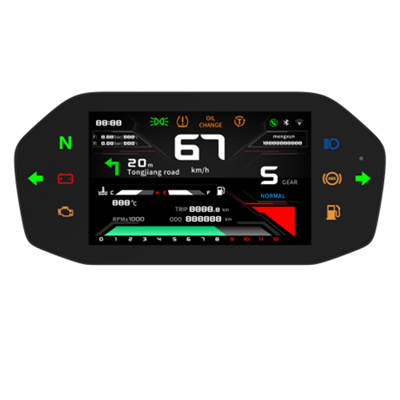
Signal Interfaces: Audio, video, GPS, CAN bus, and reversing camera signals must have stable input and output paths. If you need to retain the original steering wheel controls and instrument information display, you will need corresponding interface adapters.
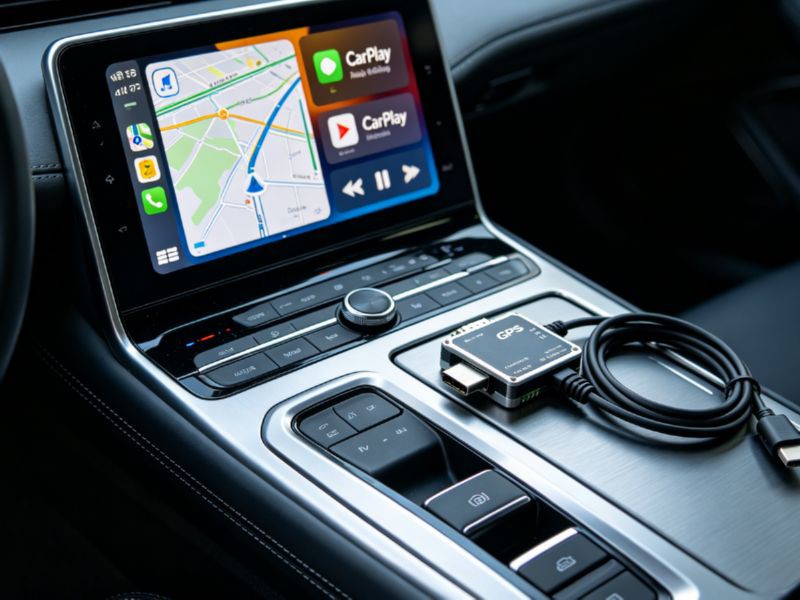
System Ecosystem: The stability of CarPlay/Android Auto, map update frequency, and voice assistant response speed directly affect the daily user experience.
Power Supply and Consumption
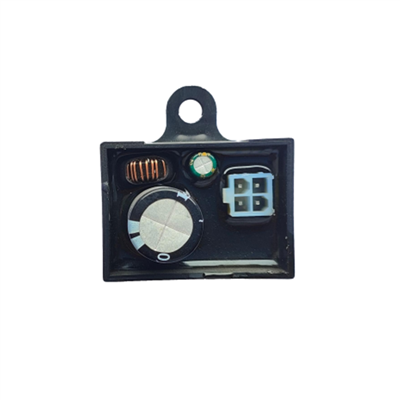
Power Supply: Most in-vehicle devices are directly connected to the 12V vehicle power supply. It's necessary to confirm the rated power consumption and fuse protection are appropriate. High-power devices connected in parallel with the original vehicle system may increase battery load or cause voltage fluctuations.
Standard Power Supply and Memory Power Supply: Some functions require continuous memory of settings (such as clock, Bluetooth pairing, etc.). A dedicated constant power supply or backup power supply should be provided to avoid setting loss due to power outages.