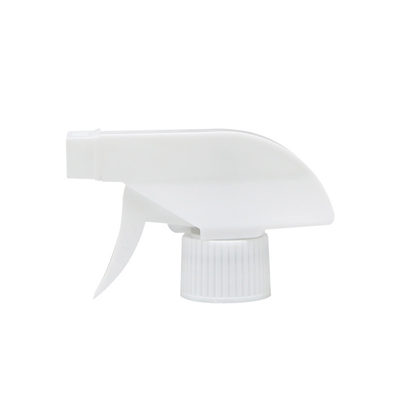

As a supplier of plastic spray nozzle tips, I understand the importance of handling these delicate components properly to avoid damage. Plastic spray nozzle tips are used in a wide range of applications, from household cleaning products to industrial manufacturing processes. Their precision and functionality are crucial for ensuring the effective delivery of liquids or gases. In this blog, I'll share some insights and best practices on how to handle plastic spray nozzle tips to maintain their quality and performance.
Understanding the Structure and Vulnerability of Plastic Spray Nozzle Tips
Plastic spray nozzle tips are typically made from various types of plastics, such as polypropylene, polyethylene, or polycarbonate. These materials offer different properties in terms of durability, chemical resistance, and flexibility. However, they are also prone to certain types of damage, including cracking, clogging, and deformation.
The design of plastic spray nozzle tips often involves intricate channels and small openings. These features are essential for controlling the spray pattern and flow rate. Any damage to these areas can significantly affect the performance of the nozzle. For example, a small crack in the tip can cause uneven spray, while a clog can reduce the flow or even block it completely.
Proper Storage of Plastic Spray Nozzle Tips
One of the first steps in handling plastic spray nozzle tips is to ensure proper storage. When not in use, the tips should be stored in a clean and dry environment. Exposure to moisture can lead to the growth of mold or mildew, which can damage the plastic over time. It's also important to protect the tips from direct sunlight, as UV rays can cause the plastic to become brittle and discolored.
Using a dedicated storage container can help keep the tips organized and protected. You can use small plastic boxes or trays with compartments to separate different types of tips. Labeling the containers can also make it easier to find the right tip when needed.
Handling During Installation and Removal
When installing plastic spray nozzle tips, it's important to handle them with care. Avoid using excessive force, as this can cause the tips to crack or break. Make sure to align the tip properly with the nozzle body before tightening. If the tip is not aligned correctly, it can lead to leaks or poor spray performance.
During removal, the same caution should be exercised. Use the appropriate tools, such as a wrench or pliers, if necessary. However, be careful not to scratch or damage the tip. If the tip is stuck, try using a lubricant to ease the removal process.
Cleaning and Maintenance
Regular cleaning is essential for maintaining the performance of plastic spray nozzle tips. Over time, debris and residue can accumulate in the channels and openings, causing clogs. To clean the tips, you can use a mild detergent and warm water. Gently soak the tips in the solution for a few minutes, then use a soft brush to remove any dirt or debris.
Avoid using harsh chemicals or abrasive materials, as these can damage the plastic. After cleaning, rinse the tips thoroughly with clean water and dry them completely before storing or reinstalling.
Protection Against Chemicals and Solvents
Plastic spray nozzle tips may come into contact with various chemicals and solvents, depending on the application. Some chemicals can react with the plastic, causing it to swell, crack, or dissolve. It's important to choose the right type of plastic for the specific chemical environment.
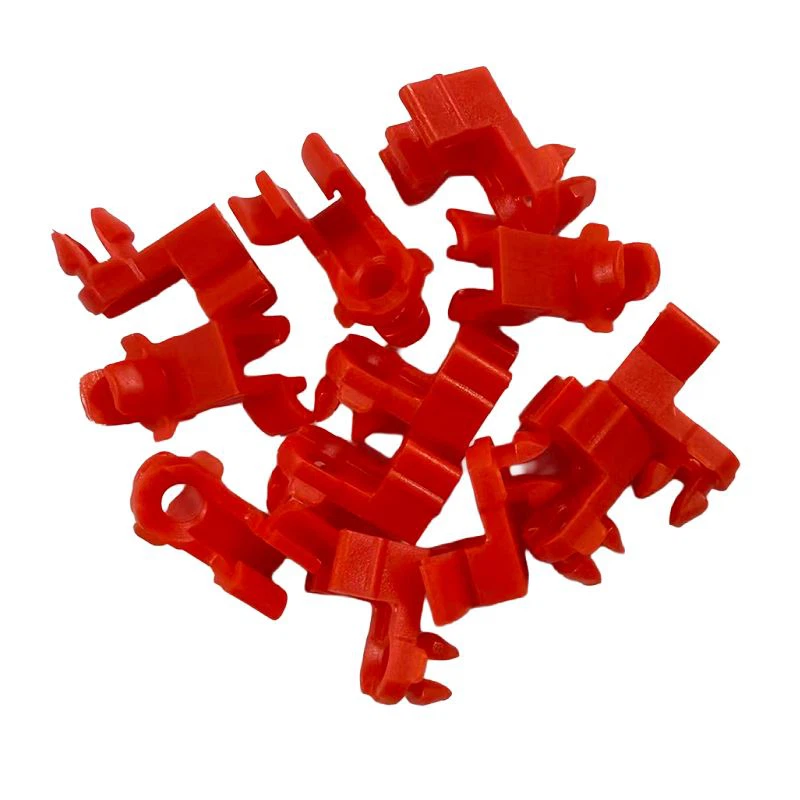

Before using a new chemical or solvent, check the compatibility with the plastic material of the nozzle tip. If necessary, conduct a small test to ensure that there is no adverse reaction. If the tip is exposed to a chemical that may cause damage, clean it immediately to minimize the risk.
Avoiding Physical Impact
Plastic spray nozzle tips are relatively fragile and can be easily damaged by physical impact. When handling the tips, avoid dropping them or subjecting them to rough handling. During transportation, use appropriate packaging to protect the tips from shock and vibration.
If you need to move or transport a large number of tips, consider using a padded container or a box with dividers to prevent the tips from colliding with each other.
Quality Control and Inspection
As a supplier, I always perform quality control and inspection on the plastic spray nozzle tips before shipping. However, it's also important for the end-users to conduct their own inspections. Check the tips for any visible signs of damage, such as cracks, chips, or deformities.
If you notice any issues, do not use the damaged tip. Instead, contact the supplier for a replacement. Regular inspections can help identify potential problems early and prevent them from affecting the performance of the spray system.
Related Products and Their Applications
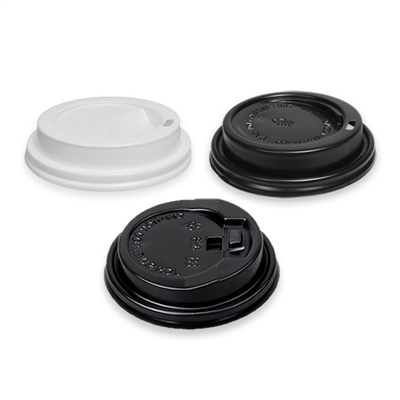
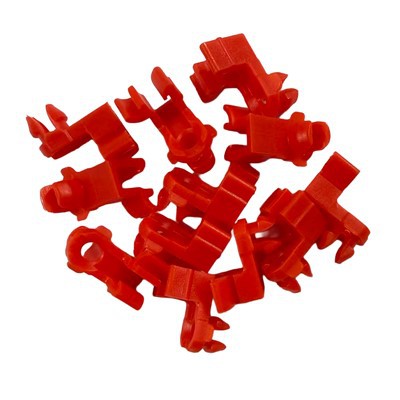
In addition to plastic spray nozzle tips, our company also offers a range of related products, such as Plastic Dome Lids No Hole, Plastic Loop Clamps, and Small Plastic Brackets. These products are also made from high-quality plastics and are designed to meet the specific needs of our customers.
Plastic Dome Lids No Hole can be used to cover containers or products, providing protection and a clean appearance. Plastic Loop Clamps are useful for securing hoses or cables, while Small Plastic Brackets can be used for mounting or supporting various components.
Conclusion
Proper handling of plastic spray nozzle tips is essential for ensuring their longevity and performance. By following the best practices outlined in this blog, you can minimize the risk of damage and ensure that your spray systems operate effectively.
If you are interested in purchasing plastic spray nozzle tips or any of our related products, please feel free to contact us for more information. We are committed to providing high-quality products and excellent customer service.
References
- "Plastic Materials Handbook" by Donald V. Rosato and Dominick V. Rosato
- "Spray Nozzle Handbook" by Spraying Systems Co.