
Choosing the right material for injection molded parts is a crucial decision that can significantly impact the quality, performance, and cost of your products. As an injection molded parts supplier, I've seen firsthand how the wrong material choice can lead to issues like product failure, increased production costs, and unhappy customers. In this blog post, I'll share some tips on how to choose the right material for your injection molded parts.
Understanding Your Requirements
The first step in choosing the right material is to understand your requirements. What are the specific properties your part needs to have? For example, does it need to be strong, flexible, heat-resistant, or chemical-resistant? You also need to consider the environment in which the part will be used. Will it be exposed to high temperatures, harsh chemicals, or extreme weather conditions?
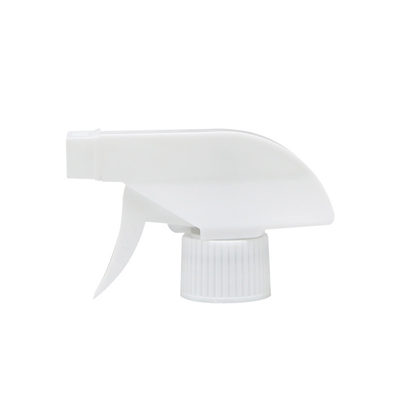
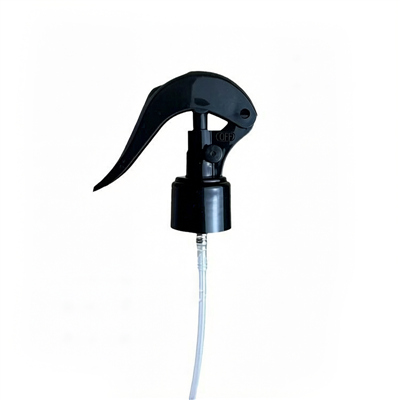
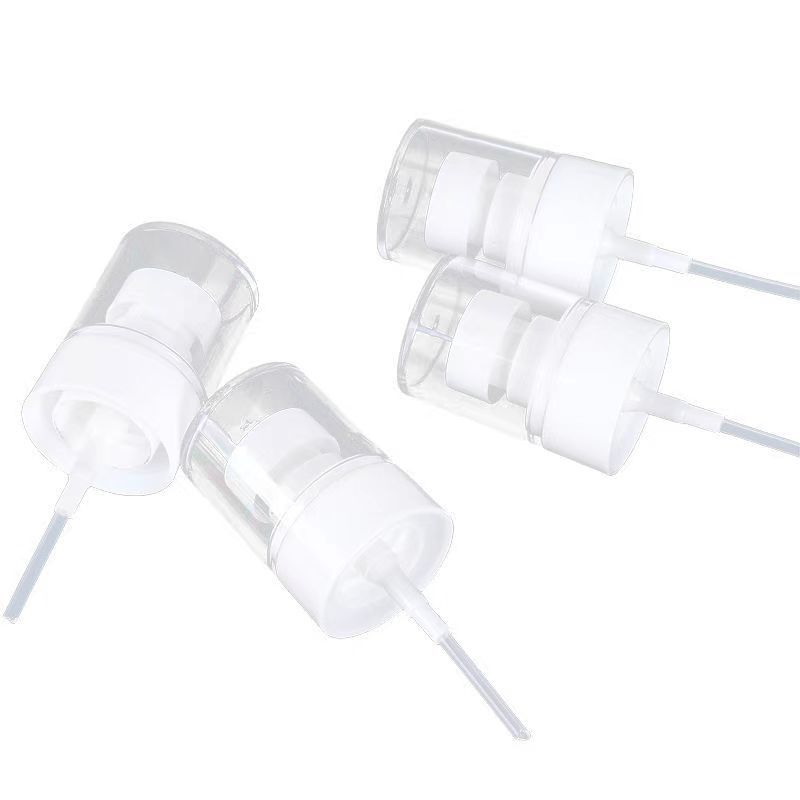
Let's say you're manufacturing Plastic Spray Nozzle Tips. These parts need to be resistant to chemicals and have a precise shape to ensure proper spraying. In this case, you might consider materials like polypropylene or polyethylene, which are known for their chemical resistance and ease of molding.
Types of Materials
There are several types of materials commonly used in injection molding, each with its own set of properties and characteristics. Here are some of the most popular ones:
Thermoplastics
Thermoplastics are the most widely used materials in injection molding. They can be melted and re-melted multiple times without losing their properties, making them easy to recycle. Some common thermoplastics include:
- Polyethylene (PE): This is a versatile plastic that comes in different densities, from low-density polyethylene (LDPE) to high-density polyethylene (HDPE). LDPE is flexible and has good chemical resistance, while HDPE is stronger and more rigid.
- Polypropylene (PP): PP is a lightweight and strong plastic that has excellent chemical resistance and is resistant to fatigue. It's commonly used in automotive parts, packaging, and consumer products.
- Polystyrene (PS): PS is a clear and rigid plastic that is easy to mold and has good electrical insulation properties. It's often used in packaging, disposable tableware, and toys.
- Acrylonitrile Butadiene Styrene (ABS): ABS is a strong and impact-resistant plastic that combines the properties of acrylonitrile, butadiene, and styrene. It's commonly used in automotive parts, electronic housings, and consumer products.
Thermosets
Thermosets are plastics that undergo a chemical reaction when heated, which causes them to harden and become permanently set. Once they're cured, they can't be melted and re-molded like thermoplastics. Some common thermosets include:
- Epoxy Resin: Epoxy resin is a strong and durable plastic that has excellent adhesion and chemical resistance. It's commonly used in electrical components, coatings, and composites.
- Phenolic Resin: Phenolic resin is a hard and heat-resistant plastic that is commonly used in electrical insulators, brake pads, and molded parts.
- Urea Formaldehyde Resin: Urea formaldehyde resin is a lightweight and strong plastic that is commonly used in adhesives, laminates, and molded parts.
Elastomers
Elastomers are rubber-like materials that have high elasticity and can be stretched and deformed without losing their shape. They're commonly used in applications where flexibility and shock absorption are required. Some common elastomers include:
- Silicone Rubber: Silicone rubber is a heat-resistant and flexible material that is commonly used in medical devices, automotive parts, and consumer products.
- Natural Rubber: Natural rubber is a renewable and biodegradable material that has excellent elasticity and resilience. It's commonly used in tires, hoses, and seals.
- Neoprene: Neoprene is a synthetic rubber that has excellent resistance to oil, chemicals, and weathering. It's commonly used in wetsuits, gaskets, and seals.
Considerations for Material Selection
When choosing a material for your injection molded parts, there are several factors you need to consider:
Mechanical Properties
The mechanical properties of a material, such as strength, stiffness, and toughness, are important considerations. You need to choose a material that can withstand the forces and stresses it will be subjected to in its intended application. For example, if you're manufacturing a Plastic Control Knob, you need a material that is strong enough to withstand repeated turning and twisting.
Chemical Resistance
If your part will be exposed to chemicals, you need to choose a material that is resistant to those chemicals. For example, if you're manufacturing a part that will be used in a chemical processing plant, you need a material that can withstand the corrosive effects of the chemicals.
Temperature Resistance
If your part will be exposed to high temperatures, you need to choose a material that can withstand those temperatures without deforming or losing its properties. For example, if you're manufacturing a part that will be used in an automotive engine, you need a material that can withstand the high temperatures generated by the engine.
Cost
Cost is always a consideration when choosing a material. You need to balance the cost of the material with its performance and the requirements of your application. For example, if you're manufacturing a high-volume product, you may want to choose a less expensive material to keep your costs down.

Moldability
The moldability of a material is also an important consideration. You need to choose a material that can be easily molded into the desired shape. Some materials are more difficult to mold than others, which can increase the cost and complexity of the manufacturing process.
Working with a Supplier
As an injection molded parts supplier, I can help you choose the right material for your application. I have the expertise and experience to recommend the best material based on your requirements and budget. I can also provide you with samples of different materials so you can test them and see how they perform in your application.
If you're interested in working with me to manufacture your injection molded parts, please don't hesitate to contact me. I'm happy to discuss your project and provide you with a quote.
Conclusion
Choosing the right material for injection molded parts is a critical decision that can have a significant impact on the quality, performance, and cost of your products. By understanding your requirements, considering the different types of materials available, and working with a knowledgeable supplier, you can choose the best material for your application. If you have any questions or need help choosing the right material, please don't hesitate to contact me. I'm here to help you make the best decision for your business.
References
- "Injection Molding Materials: A Guide to Selection." Plastics Technology.
- "Thermoplastics vs. Thermosets: What's the Difference?" Machine Design.
- "Elastomers: Properties and Applications." Rubber & Plastics News.