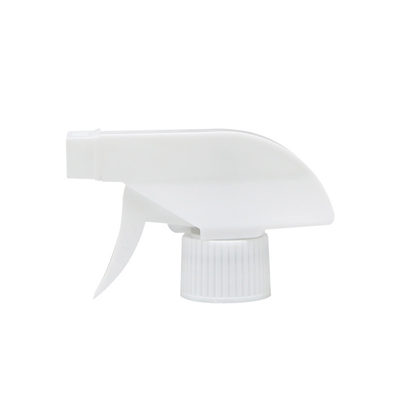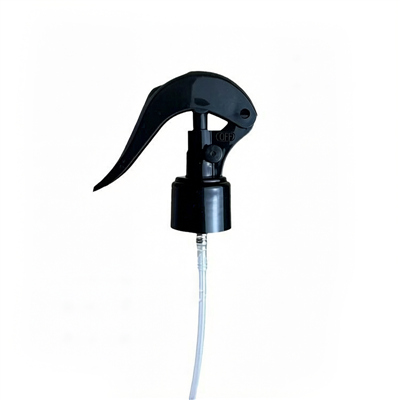

Hey there! As a supplier of Plastic Pump Dispensers, I often get asked about the flow rate of these nifty little devices. So, let's dive right in and explore what the flow rate of a plastic pump dispenser is all about.
First off, what exactly is flow rate? In simple terms, the flow rate of a plastic pump dispenser refers to the amount of liquid that the pump can dispense in a given period of time. It's usually measured in milliliters per stroke or milliliters per minute, depending on how the dispenser is designed and used.
The flow rate of a plastic pump dispenser can vary quite a bit. It depends on several factors, like the design of the pump, the size of the orifice (the opening through which the liquid comes out), and the viscosity of the liquid being dispensed.
Let's start with the design of the pump. Different pump designs have different internal mechanisms that affect how much liquid they can draw in and push out with each stroke. For example, some pumps have a piston - like design, where a piston moves up and down to create suction and push the liquid out. These types of pumps can have a relatively consistent flow rate if they are well - made. On the other hand, diaphragm pumps use a flexible diaphragm to create the pumping action. The design of the diaphragm and how it moves can impact the flow rate.
The size of the orifice is also crucial. A larger orifice will generally allow more liquid to flow out per stroke or per minute compared to a smaller one. If you're using a dispenser for a thick liquid, like a lotion or a gel, you might want a larger orifice to ensure that the product can come out smoothly. But if you're dealing with a thin liquid, like a perfume or a cleaning solution, a smaller orifice might be sufficient and can help control the amount of product dispensed more precisely.
Viscosity plays a big role too. Viscosity is basically how thick or thin a liquid is. Thick liquids, like honey or hair styling gel, have a high viscosity. They flow more slowly and require more force to pump. So, a plastic pump dispenser designed for a high - viscosity liquid needs to be able to generate enough pressure to move the liquid through the pump and out of the orifice. On the contrary, thin liquids, such as water or alcohol - based solutions, have a low viscosity and flow easily. A dispenser for low - viscosity liquids can have a simpler design and may not need to generate as much pressure.
Now, let's talk about why the flow rate is important. For consumers, the right flow rate can make a big difference in how easy and convenient it is to use a product. If the flow rate is too low, they might have to pump the dispenser multiple times to get the amount of product they need. This can be frustrating, especially if they're in a hurry. On the other hand, if the flow rate is too high, they might end up using more product than they intended, which can be wasteful.
For businesses, getting the flow rate right is essential for product marketing and customer satisfaction. If a product is packaged with a dispenser that has an inappropriate flow rate, it can lead to negative reviews and a loss of customers. That's why it's so important for us, as plastic pump dispenser suppliers, to understand the needs of our clients and provide them with dispensers that have the right flow rate for their products.
At our company, we offer a wide range of plastic pump dispensers with different flow rates to meet the diverse needs of our customers. Whether you're looking for a dispenser for a high - end perfume or a budget - friendly cleaning product, we've got you covered.
We also offer related products that can complement your plastic pump dispensers. For example, if you're interested in enhancing the spraying performance of your dispenser, you might want to check out our Plastic Spray Nozzle Tips. These tips are designed to provide a fine and even spray, making your product application more precise.
If you need some support or mounting for your dispenser, our Small Plastic Brackets are a great option. They're sturdy and can help keep your dispenser in place.

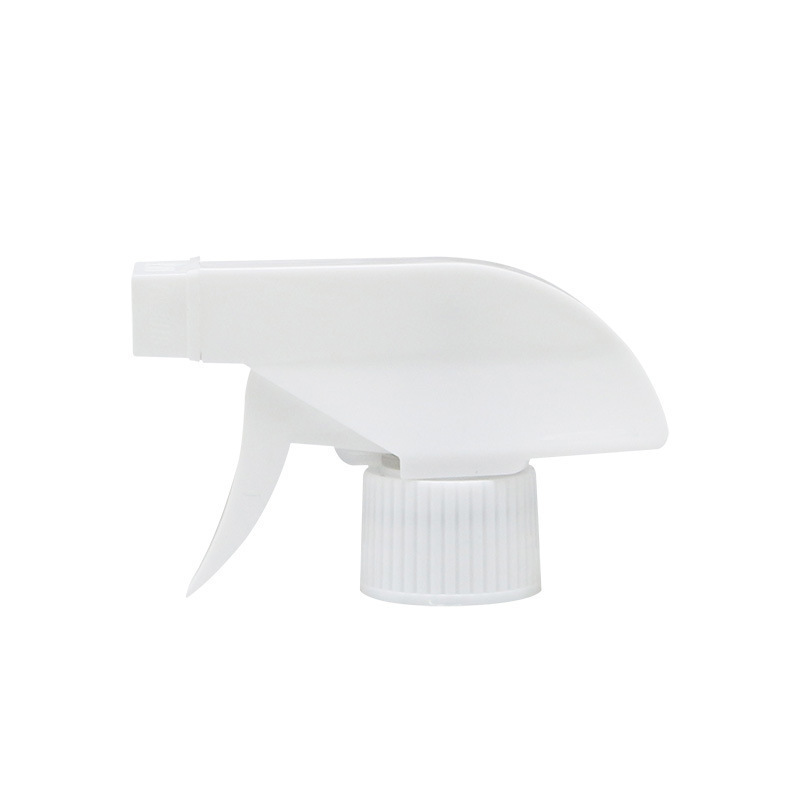
And for those looking for a protective enclosure for their dispenser, our Injection Molded Housing provides a durable and attractive solution.
So, if you're in the market for plastic pump dispensers or any of our related products, don't hesitate to reach out. We're here to help you find the perfect solution for your product packaging needs. Whether you're a small startup or a large corporation, we can work with you to ensure that you get the best flow rate and quality for your dispensers.
In conclusion, the flow rate of a plastic pump dispenser is a critical factor that affects both the user experience and the success of a product. By understanding the factors that influence flow rate and choosing the right dispenser for your product, you can ensure that your customers are satisfied and your product stands out in the market.
If you have any questions about our plastic pump dispensers or want to discuss your specific requirements, feel free to contact us. We're always happy to have a chat and help you find the best solution for your business.
References
- Smith, J. (2020). "The Science of Liquid Dispensing". Journal of Packaging Science.
- Brown, A. (2019). "Optimizing Flow Rates in Plastic Pump Dispensers". Packaging Technology Review.