
Are plastic spray nozzle tips suitable for high - pressure applications?
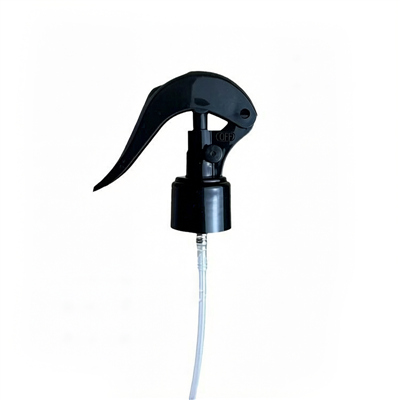
In the realm of industrial and commercial spraying operations, the choice of spray nozzle tips is a critical decision that can significantly impact the efficiency and effectiveness of the spraying process. One common question that often arises is whether plastic spray nozzle tips are suitable for high - pressure applications. As a supplier of Plastic Spray Nozzle Tips, I am well - positioned to delve into this topic and provide valuable insights.
Understanding High - Pressure Applications
High - pressure applications typically involve the use of spraying systems that operate at pressures significantly above normal levels. These applications can be found in various industries such as automotive manufacturing, food processing, and industrial cleaning. In automotive manufacturing, high - pressure spraying is used for painting and coating processes to ensure a smooth and even finish. In food processing, it is employed for cleaning and sanitizing equipment. And in industrial cleaning, high - pressure sprays are used to remove stubborn dirt and debris.
Advantages of Plastic Spray Nozzle Tips
Plastic spray nozzle tips offer several advantages that make them a viable option for certain high - pressure applications.
Cost - Effectiveness
One of the most significant advantages of plastic spray nozzle tips is their cost - effectiveness. Compared to metal or ceramic nozzle tips, plastic ones are generally more affordable. This makes them an attractive option for businesses looking to reduce costs without sacrificing too much on performance. For small - and medium - sized enterprises, the lower cost of plastic nozzle tips can translate into significant savings over time.
Lightweight and Easy to Install
Plastic spray nozzle tips are lightweight, which makes them easy to handle and install. This is particularly beneficial in applications where the spraying equipment needs to be moved around frequently. For example, in a large - scale industrial cleaning operation, workers can easily carry and install plastic nozzle tips on different spraying devices without much physical effort.
Chemical Resistance
Many plastics used in the manufacturing of spray nozzle tips have excellent chemical resistance. This means they can withstand exposure to a wide range of chemicals without corroding or degrading. In applications where the spraying liquid contains harsh chemicals, such as in some industrial cleaning solutions or agricultural pesticides, plastic nozzle tips can maintain their integrity and performance over time.
Limitations of Plastic Spray Nozzle Tips in High - Pressure Applications
However, plastic spray nozzle tips also have some limitations when it comes to high - pressure applications.
Durability
Plastic is generally less durable than metal or ceramic materials. Under high - pressure conditions, plastic nozzle tips may be more prone to wear and tear. The high - velocity flow of the spraying liquid can cause erosion of the plastic surface, leading to a decrease in the quality of the spray pattern and a reduction in the overall performance of the nozzle. Over time, the nozzle may need to be replaced more frequently compared to metal or ceramic counterparts.
Temperature Resistance
Most plastics have a relatively low melting point compared to metals and ceramics. In high - pressure applications where the spraying process generates heat, such as in some industrial coating operations, plastic nozzle tips may deform or melt if the temperature exceeds their heat - resistance limit. This can result in a malfunction of the spraying system and a poor quality of the sprayed product.
Factors to Consider When Using Plastic Spray Nozzle Tips in High - Pressure Applications
When deciding whether to use plastic spray nozzle tips in high - pressure applications, several factors need to be considered.
Pressure Rating
It is crucial to ensure that the plastic spray nozzle tips have a pressure rating that is suitable for the specific high - pressure application. Different plastics have different pressure - handling capabilities, and it is important to choose a nozzle tip that can withstand the maximum pressure of the spraying system. Most manufacturers provide pressure rating information for their products, and it is essential to refer to this information when making a selection.
Chemical Compatibility
As mentioned earlier, chemical resistance is an important factor. Before using plastic spray nozzle tips, it is necessary to ensure that the plastic material is compatible with the spraying liquid. Some chemicals may react with certain plastics, causing them to degrade or lose their structural integrity. Conducting a chemical compatibility test can help determine whether a particular plastic nozzle tip is suitable for the application.
Spray Pattern Requirements
The desired spray pattern is another important consideration. Different high - pressure applications may require different spray patterns, such as a fan - shaped spray or a cone - shaped spray. Plastic spray nozzle tips come in a variety of designs to produce different spray patterns, and it is important to choose the right one based on the specific requirements of the application.
Case Studies
To illustrate the suitability of plastic spray nozzle tips in high - pressure applications, let's look at a few case studies.
Case Study 1: Automotive Painting
In an automotive painting process, a company was using metal spray nozzle tips for their high - pressure painting system. However, they found that the metal nozzles were expensive and prone to clogging. After switching to plastic spray nozzle tips, they were able to reduce costs significantly. The plastic nozzles also provided a consistent spray pattern, resulting in a high - quality paint finish. Although the plastic nozzles needed to be replaced more frequently than the metal ones, the overall cost savings were substantial.
Case Study 2: Food Processing Cleaning
A food processing plant was using high - pressure spraying to clean their equipment. They initially used ceramic nozzle tips, but they found that the ceramic nozzles were brittle and easily damaged. After switching to plastic spray nozzle tips, they found that the plastic nozzles were more resistant to impact and provided a better cleaning performance. The chemical resistance of the plastic also ensured that the nozzles could withstand the cleaning chemicals used in the process.
Conclusion
In conclusion, plastic spray nozzle tips can be suitable for certain high - pressure applications, but they also have their limitations. Their cost - effectiveness, lightweight nature, and chemical resistance make them an attractive option in many cases. However, their durability and temperature resistance may be a concern in some high - pressure situations. When considering using plastic spray nozzle tips in high - pressure applications, it is important to carefully evaluate the specific requirements of the application, including pressure rating, chemical compatibility, and spray pattern requirements.
If you are interested in exploring the use of Plastic Spray Nozzle Tips for your high - pressure applications, or if you have any questions regarding our products, we welcome you to contact us for further discussion and procurement. We also offer other related products such as Plastic Strap Handles and Clothes Hanger Hook Plastic that may be of interest to you.
References
- "Spray Nozzle Handbook" by William E. McCoy
- "Industrial Spraying Technology" by John D. Smith
- Various industry reports on spraying equipment and materials.