
Hey there! As a supplier of Plastic Remote Control Housing, I've been getting a lot of questions lately about the impact of electrical conductivity on our products. So, I thought I'd take a moment to share some insights on this topic.
First off, let's talk about what electrical conductivity is. In simple terms, it's the ability of a material to conduct an electric current. When it comes to plastic remote control housings, electrical conductivity can have a significant impact on their performance and functionality.
One of the main concerns with electrical conductivity in plastic remote control housings is the potential for electromagnetic interference (EMI). EMI can cause disruptions in the signals transmitted between the remote control and the device it's controlling. This can lead to issues such as signal loss, reduced range, and even complete failure of the remote control.
To combat EMI, many plastic remote control housings are designed with materials that have low electrical conductivity. These materials act as a shield, preventing electromagnetic waves from interfering with the internal components of the remote control. By reducing EMI, we can ensure that the remote control functions properly and provides a reliable user experience.
Another important aspect of electrical conductivity in plastic remote control housings is the issue of static electricity. Static electricity can build up on the surface of the plastic housing, especially in dry environments. This can cause problems such as attracting dust and debris, which can affect the appearance and performance of the remote control.
To address the issue of static electricity, some plastic remote control housings are treated with anti-static agents. These agents help to reduce the build-up of static electricity on the surface of the plastic, making it less likely to attract dust and debris. This not only improves the appearance of the remote control but also helps to maintain its performance over time.
In addition to EMI and static electricity, electrical conductivity can also have an impact on the durability and longevity of plastic remote control housings. Plastic materials with high electrical conductivity are more likely to experience electrical breakdown, which can lead to cracks, fractures, and other forms of damage. By using materials with low electrical conductivity, we can help to ensure that the remote control housing remains strong and durable over time.
Now, let's take a look at some of the specific materials that are commonly used in plastic remote control housings and their electrical conductivity properties.
One of the most popular materials for plastic remote control housings is acrylonitrile butadiene styrene (ABS). ABS is a thermoplastic polymer that is known for its high strength, impact resistance, and low cost. It also has relatively low electrical conductivity, making it a good choice for reducing EMI and static electricity.
Another commonly used material is polycarbonate (PC). PC is a strong, transparent thermoplastic that is known for its excellent impact resistance and heat resistance. It also has low electrical conductivity, making it a good choice for applications where EMI and static electricity are a concern.
In addition to ABS and PC, there are also other materials that can be used in plastic remote control housings, such as polypropylene (PP), polyethylene (PE), and polystyrene (PS). Each of these materials has its own unique properties and electrical conductivity characteristics, so it's important to choose the right material for your specific application.
As a supplier of Plastic Remote Control Housing, we understand the importance of electrical conductivity in our products. That's why we offer a wide range of plastic materials with different electrical conductivity properties to meet the needs of our customers. Whether you're looking for a material with low electrical conductivity to reduce EMI and static electricity or a material with high electrical conductivity for a specific application, we can help you find the right solution.
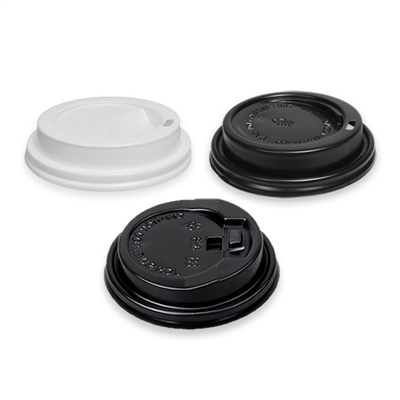
If you're in the market for Plastic Remote Control Housing, we invite you to explore our product offerings. We offer a variety of products, including Hard Plastic Caps, Plastic Control Knob, and Plastic Dome Lids No Hole. Our products are made from high-quality materials and are designed to meet the highest standards of quality and performance.
We also offer custom molding services, so if you have a specific design or requirement in mind, we can work with you to create a custom solution that meets your needs. Our team of experienced engineers and designers will work closely with you to ensure that your project is completed on time and within budget.
So, if you're interested in learning more about our Plastic Remote Control Housing products or our custom molding services, please don't hesitate to contact us. We'd be happy to answer any questions you may have and provide you with a free quote.
In conclusion, electrical conductivity plays a crucial role in the performance and functionality of plastic remote control housings. By understanding the impact of electrical conductivity and choosing the right materials, we can ensure that our products provide a reliable and long-lasting user experience. If you're in the market for Plastic Remote Control Housing, we encourage you to contact us to learn more about our products and services.
References

- "Electrical Conductivity of Polymers." Polymer Science Learning Center.
- "Plastic Materials for Remote Control Housings." Plastics Technology Magazine.
- "Anti-Static Agents for Plastic Products." Journal of Applied Polymer Science.