
Hey there! As a plastic gear supplier, I've seen firsthand how crucial it is to ensure the alignment of plastic gears. Misaligned gears can lead to a whole host of problems, from increased wear and tear to reduced efficiency and even complete gear failure. So, in this blog post, I'm going to share some tips on how to ensure the alignment of plastic gears.
Understanding the Basics of Gear Alignment
Before we dive into the tips, let's first understand what gear alignment is and why it's so important. Gear alignment refers to the proper positioning of gears in a gear system. When gears are properly aligned, they mesh smoothly and transfer power efficiently. On the other hand, misaligned gears can cause excessive noise, vibration, and wear, which can ultimately lead to gear failure.
There are two main types of gear alignment: parallel alignment and angular alignment. Parallel alignment refers to the alignment of gears along a common axis, while angular alignment refers to the alignment of gears at an angle to each other. Both types of alignment are important for ensuring the proper functioning of a gear system.
Tips for Ensuring Gear Alignment
Now that we understand the basics of gear alignment, let's take a look at some tips for ensuring the alignment of plastic gears.
1. Use High-Quality Gears
The first step in ensuring gear alignment is to use high-quality gears. High-quality gears are made from materials that are strong, durable, and resistant to wear and tear. They also have precise tooth profiles and dimensions, which ensure smooth meshing and efficient power transfer.
When choosing plastic gears, look for gears that are made from high-quality materials such as acetal, nylon, or polycarbonate. These materials are known for their strength, durability, and resistance to wear and tear. They also have good chemical resistance, which makes them suitable for use in a variety of applications.
2. Check the Gear Housing
The gear housing is the structure that holds the gears in place. It's important to ensure that the gear housing is properly designed and manufactured to ensure the proper alignment of the gears. The gear housing should be made from a strong, rigid material that can withstand the forces generated by the gears.
When checking the gear housing, look for any signs of damage or wear. If the gear housing is damaged or worn, it can cause the gears to misalign, which can lead to increased wear and tear and reduced efficiency. If you notice any signs of damage or wear, replace the gear housing as soon as possible.
3. Use Proper Lubrication
Lubrication is essential for ensuring the smooth operation of gears. Proper lubrication reduces friction and wear, which helps to extend the life of the gears. It also helps to prevent the gears from overheating, which can cause them to warp and misalign.
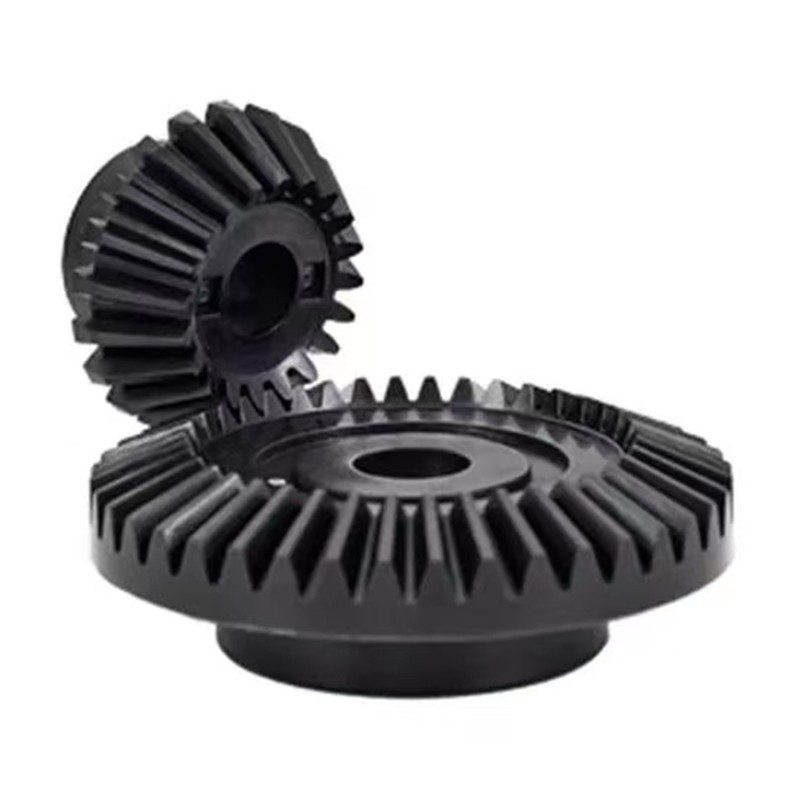
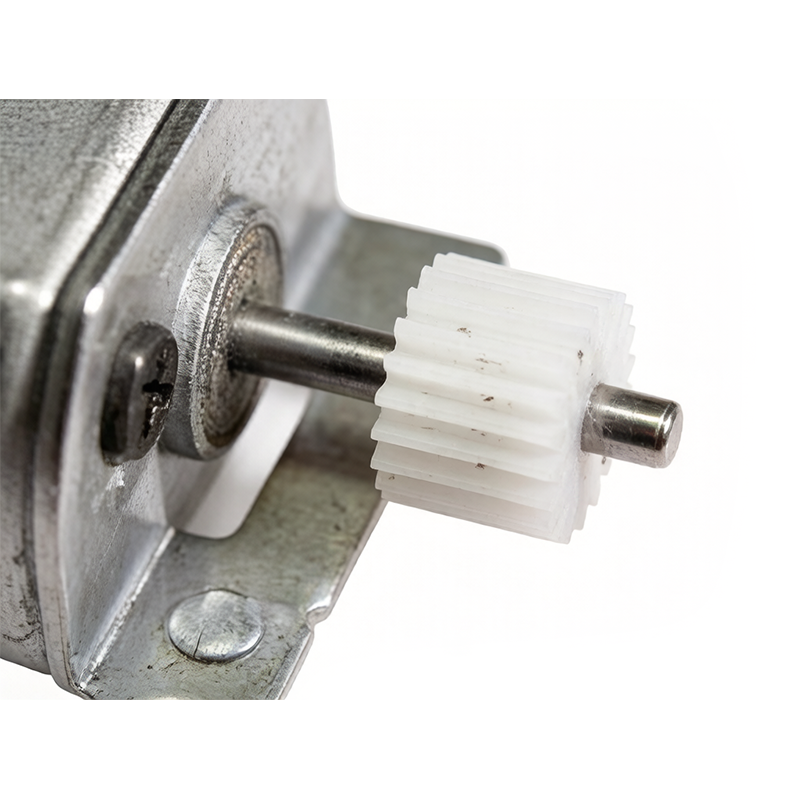
When lubricating plastic gears, use a lubricant that is specifically designed for plastic gears. Avoid using lubricants that contain solvents or other chemicals that can damage the plastic. Apply the lubricant to the gears according to the manufacturer's instructions.
4. Check the Shaft Alignment
The shaft is the component that connects the gears to the motor or other power source. It's important to ensure that the shaft is properly aligned to ensure the proper alignment of the gears. The shaft should be straight and free of any bends or twists.
When checking the shaft alignment, use a dial indicator to measure the runout of the shaft. The runout is the amount of deviation from the true center of the shaft. If the runout is too large, it can cause the gears to misalign, which can lead to increased wear and tear and reduced efficiency. If you notice any signs of excessive runout, adjust the shaft alignment as needed.
5. Use Alignment Tools
There are a variety of alignment tools available that can help you ensure the proper alignment of plastic gears. These tools include dial indicators, laser alignment systems, and alignment fixtures.
Dial indicators are used to measure the runout of the shaft and the gears. They are simple to use and can provide accurate measurements. Laser alignment systems are more advanced and can provide more precise measurements. They use lasers to measure the alignment of the gears and the shaft. Alignment fixtures are used to hold the gears in place during the alignment process. They can help to ensure that the gears are properly aligned and that the alignment is maintained over time.
Conclusion
Ensuring the alignment of plastic gears is essential for ensuring the proper functioning of a gear system. By following the tips outlined in this blog post, you can ensure that your plastic gears are properly aligned and that they operate smoothly and efficiently.
If you're in the market for plastic gears, be sure to check out our Plastic Reduction Gear, Plastic Timing Gears, and Plastic Gear Shaft. We offer a wide range of high-quality plastic gears that are designed to meet the needs of a variety of applications.
If you have any questions or would like to discuss your specific needs, please don't hesitate to contact us. We're here to help you find the right plastic gears for your application.
References
- "Gear Alignment: A Guide to Proper Installation and Maintenance." Machinery Lubrication.
- "Plastic Gears: Design, Materials, and Applications." Society of Plastics Engineers.
- "Gear Manufacturing: Principles and Applications." John Wiley & Sons.