
As a PVC push button supplier, I've witnessed firsthand the diverse scenarios where these seemingly simple components can encounter failures. PVC push buttons are widely used in various industries, from consumer electronics to industrial control panels, due to their durability, affordability, and ease of customization. However, like any product, they are not immune to potential issues. In this blog post, I'll explore some of the possible failures of PVC push buttons and provide insights on how to mitigate them.
1. Mechanical Wear and Tear
One of the most common causes of PVC push button failure is mechanical wear and tear. Over time, repeated pressing of the button can lead to the degradation of the PVC material, causing it to crack, chip, or break. This is especially true in high - usage environments, such as in industrial machinery or gaming consoles where the buttons are pressed frequently.
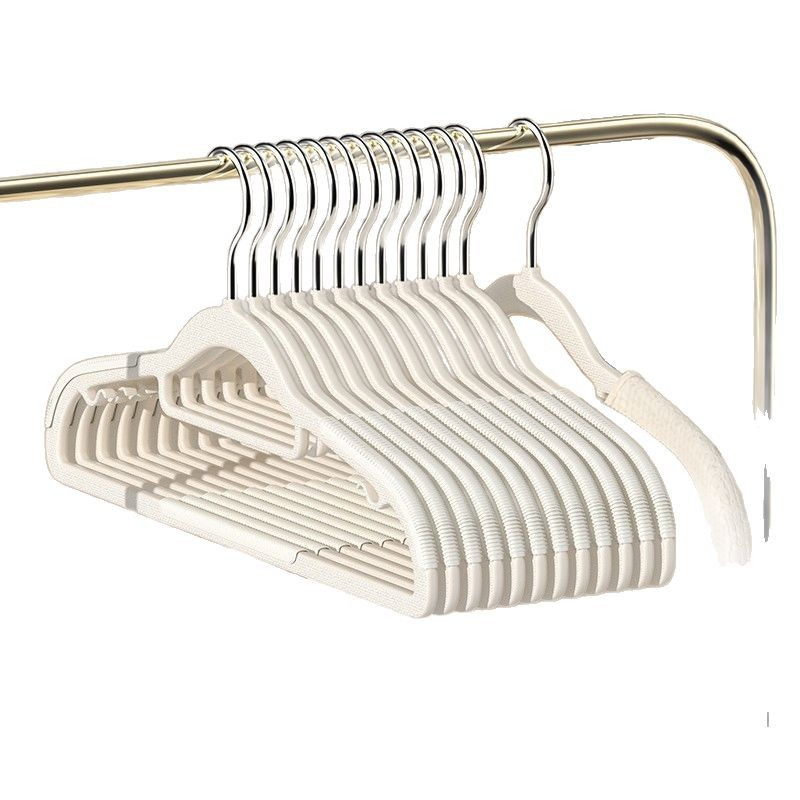
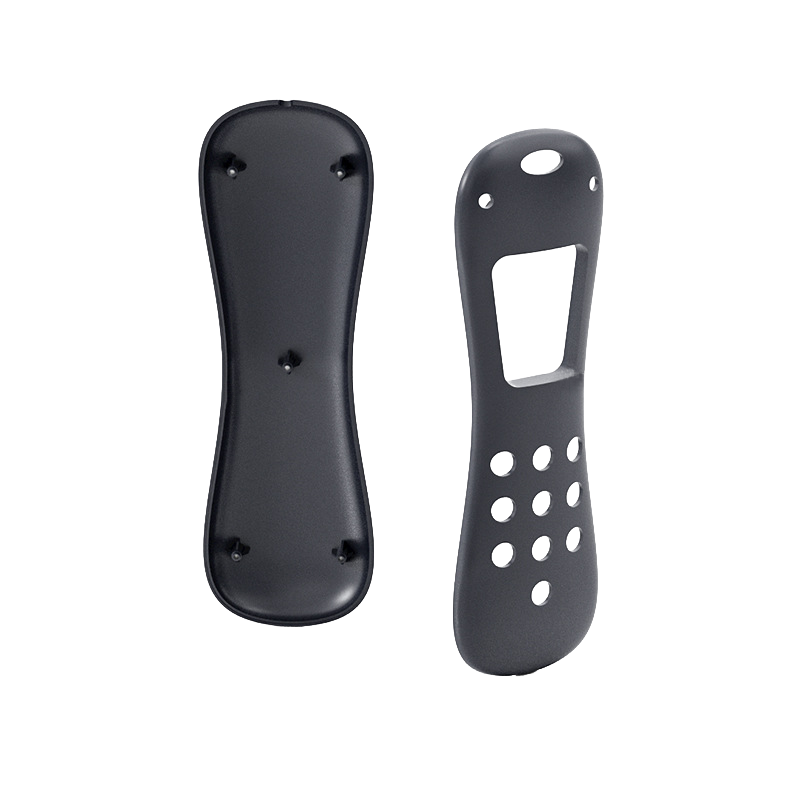
The design of the button also plays a crucial role. If the button is not properly engineered to withstand the force of repeated presses, it may fail prematurely. For example, if the button has a thin wall thickness, it is more likely to crack under pressure. Additionally, the type of contact mechanism inside the button can affect its durability. Some buttons use a simple spring - loaded mechanism, while others may have more complex designs. If the spring loses its elasticity over time, the button may not function properly.
To mitigate mechanical wear and tear, it's important to choose high - quality PVC materials. Look for PVC that has good impact resistance and flexibility. Additionally, proper design and engineering can help ensure that the button can withstand the expected usage. For example, increasing the wall thickness of the button or using a more robust contact mechanism can improve its durability.
2. Chemical Degradation
PVC push buttons can also be affected by chemical degradation. Exposure to certain chemicals, such as solvents, acids, or alkalis, can cause the PVC material to break down. This can lead to changes in the physical properties of the button, such as discoloration, softening, or brittleness.
In industrial settings, where the buttons may be exposed to harsh chemicals, it's important to choose PVC materials that are resistant to chemical attack. Some PVC formulations are specifically designed to be chemical - resistant, and these should be used in environments where chemical exposure is likely. Additionally, proper cleaning and maintenance can help prevent chemical degradation. Avoid using harsh chemicals to clean the buttons, and instead use mild detergents and water.
3. Electrical Failures
In applications where the PVC push button is used as an electrical switch, electrical failures can occur. One common issue is poor electrical contact. This can be caused by a variety of factors, such as dirt, dust, or oxidation on the contact surfaces. If the electrical contact is not reliable, the button may not function properly, or it may cause intermittent electrical signals.
Another electrical failure mode is short - circuits. This can happen if the button is damaged in such a way that the electrical conductors inside the button come into contact with each other. Short - circuits can not only cause the button to fail but can also pose a safety hazard.
To prevent electrical failures, it's important to ensure that the button is properly sealed to prevent the ingress of dirt and moisture. Additionally, regular inspection and cleaning of the contact surfaces can help maintain good electrical contact. In some cases, it may be necessary to use anti - oxidation coatings on the contact surfaces to prevent oxidation.
4. Environmental Factors
Environmental factors can also have a significant impact on the performance of PVC push buttons. Extreme temperatures, humidity, and UV radiation can all cause the PVC material to degrade.
In high - temperature environments, the PVC may soften and lose its shape, which can affect the functionality of the button. On the other hand, in low - temperature environments, the PVC may become brittle and more prone to cracking. Humidity can also cause problems, as it can lead to the growth of mold and mildew on the button, which can affect its appearance and performance. UV radiation can cause the PVC to fade and become brittle over time.
To protect the buttons from environmental factors, it's important to choose PVC materials that are suitable for the intended environment. For example, in outdoor applications, UV - resistant PVC should be used. Additionally, proper enclosures can be used to protect the buttons from extreme temperatures and humidity.
5. Design and Manufacturing Defects
Design and manufacturing defects can also lead to PVC push button failures. Poor design, such as incorrect dimensions or improper alignment of the button components, can cause the button to malfunction. Manufacturing defects, such as air bubbles in the PVC material or improper assembly, can also affect the performance of the button.
To minimize design and manufacturing defects, it's important to work with a reputable manufacturer. A good manufacturer will have a quality control system in place to ensure that the buttons are produced to the highest standards. Additionally, thorough testing should be conducted during the manufacturing process to identify and correct any defects.
Conclusion
PVC push buttons are a versatile and widely used component, but they are not without their potential failures. By understanding the possible failure modes and taking appropriate measures to mitigate them, we can ensure that the buttons perform reliably in various applications.
If you're in the market for high - quality PVC push buttons or other injection - molded parts such as Plastic Strap Handles, Heavyweight Plastic Hangers, or Plastic Remote Control Housing, I encourage you to reach out for a procurement discussion. We are committed to providing you with the best products and solutions to meet your needs.
References
- "Plastic Materials and Their Properties" by John A. Brydson
- "Engineering Plastics: Properties and Applications" by Charles A. Harper