
The size of injection molded parts is a critical factor that significantly impacts the manufacturing process, product design, and overall performance. As a supplier of injection molded parts, I have encountered various inquiries regarding the maximum size of these components. In this blog, I will delve into the factors influencing the maximum size of injection molded parts, share some real - world examples, and discuss the implications for product design and manufacturing.
Factors Affecting the Maximum Size of Injection Molded Parts
Machine Capacity
The injection molding machine is the heart of the manufacturing process. The clamping force of the machine is a primary determinant of the maximum size of the part. Clamping force is required to keep the mold closed during the injection process. As the size of the part increases, the pressure exerted by the molten plastic on the mold cavity also increases. A machine with insufficient clamping force may not be able to hold the mold shut, leading to flash (excess plastic that seeps out of the mold) or incomplete filling of the part.
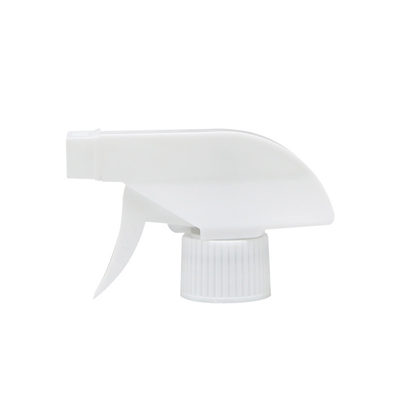
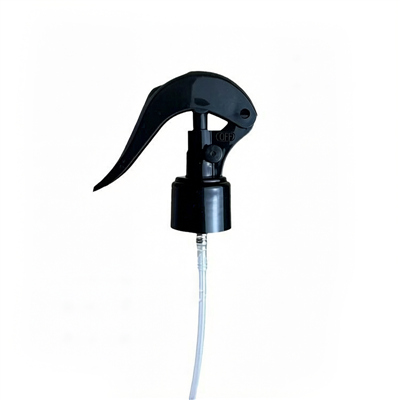
For example, a small - scale injection molding machine with a clamping force of 50 tons may be suitable for producing small parts like Plastic Pump Dispenser. However, for larger parts, a machine with a clamping force of 500 tons or more may be required.
Material Properties
The type of plastic material used also plays a crucial role in determining the maximum size of the part. Different plastics have different flow characteristics. Materials with high viscosity, such as some engineering plastics, may not flow easily into large and complex mold cavities. This can result in issues like short shots (incomplete filling of the part) or uneven distribution of the plastic within the part.
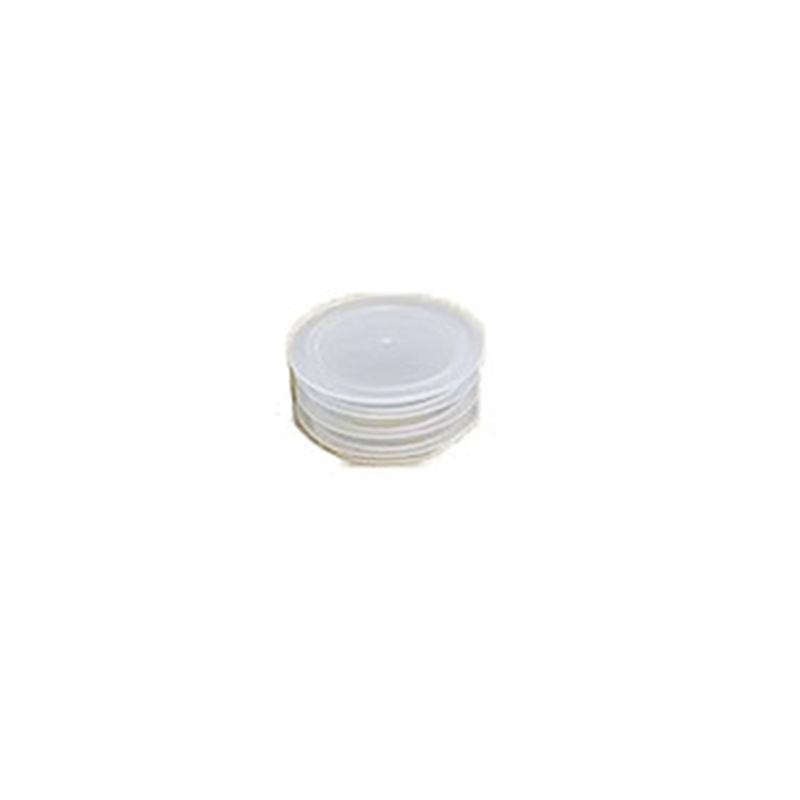
On the other hand, materials with low viscosity, like some polyolefins, can flow more easily and are more suitable for larger parts. For instance, when manufacturing Hard Plastic Caps, the choice of plastic material needs to be carefully considered to ensure proper filling of the mold, especially if the caps are relatively large.
Mold Design
The design of the mold is another important factor. A well - designed mold can facilitate the flow of molten plastic into the cavity, even for large parts. The gating system, which is responsible for directing the plastic into the mold, needs to be carefully designed. For large parts, multiple gates may be required to ensure uniform filling.
The cooling system in the mold is also critical. Large parts take longer to cool, and an inefficient cooling system can lead to warping or shrinkage of the part. A properly designed cooling system can help maintain a uniform temperature throughout the part during the cooling process, ensuring dimensional stability.
Real - World Examples of Large Injection Molded Parts
Automotive Components
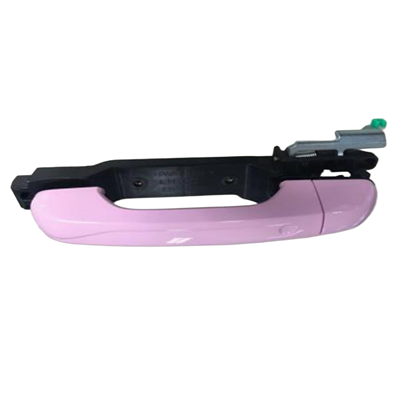
In the automotive industry, injection molding is widely used to produce large parts such as bumpers, dashboards, and door panels. These parts can be several feet in length and require high - tonnage injection molding machines. For example, a large SUV bumper may be over 6 feet long. The production of such a part requires a machine with a high clamping force and a well - designed mold to ensure proper filling and cooling.
Industrial Containers
Large industrial containers, such as storage tanks and drums, are often made through injection molding. These containers can have a capacity of several hundred liters. The size of these parts is limited by the machine's capacity and the ability of the plastic material to flow into the large mold cavity. For instance, a 55 - gallon drum is a common size in the industry, and its production requires careful consideration of the factors mentioned above.
Implications for Product Design and Manufacturing
Design Considerations
When designing a large injection molded part, designers need to take into account the limitations of the injection molding process. They should try to simplify the part design to reduce the complexity of the mold and improve the flow of the plastic. For example, avoiding sharp corners and thin walls can help prevent issues like short shots and warping.

The design should also consider the gating and cooling systems. The location of the gates should be carefully chosen to ensure uniform filling of the part, and the cooling channels should be designed to provide efficient cooling.
Manufacturing Challenges
Manufacturing large injection molded parts presents several challenges. The longer cycle times are one of the main issues. Since large parts take longer to fill and cool, the production rate is lower compared to smaller parts. This can increase the cost of production.
Quality control is also more challenging for large parts. The larger the part, the more difficult it is to ensure uniform properties throughout the part. Issues like shrinkage, warping, and voids are more likely to occur in large parts, and strict quality control measures need to be in place to detect and correct these problems.
Conclusion
In conclusion, the maximum size of injection molded parts is determined by a combination of factors, including machine capacity, material properties, and mold design. While there is no fixed maximum size, the practical limitations are set by the available technology and the specific requirements of the part.
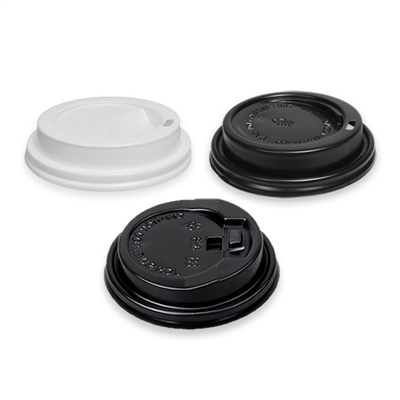
As a supplier of injection molded parts, we have the expertise and resources to handle a wide range of part sizes. Whether you are looking for small Plastic Dome Lids No Hole or large automotive components, we can work with you to design and manufacture high - quality parts.
If you are interested in our injection molded parts and would like to discuss your specific requirements, please feel free to reach out to us. We are ready to engage in procurement discussions and provide you with the best solutions for your needs.
References
- Campbell, F. C. (2012). Manufacturing Engineering & Technology. Pearson.
- Rosato, D. V., & Rosato, D. V. (2000). Injection Molding Handbook. Kluwer Academic Publishers.