
When considering components for electronic devices and control systems, the choice of push buttons is crucial, especially in low - noise applications. As a PVC push button supplier, I've had the opportunity to closely examine the suitability of PVC push buttons in such environments. In this blog, I'll delve into the characteristics of PVC push buttons and evaluate their viability for low - noise applications.
Understanding PVC Push Buttons
PVC, or polyvinyl chloride, is a widely used thermoplastic polymer. It is known for its durability, chemical resistance, and relatively low cost. PVC push buttons are commonly used in a variety of applications, from consumer electronics to industrial control panels.
The physical properties of PVC play a significant role in its performance as a push button material. PVC has a certain degree of flexibility, which allows it to deform slightly when pressed. This flexibility can contribute to a smooth and comfortable user experience. Additionally, PVC can be easily molded into various shapes and sizes, making it suitable for different design requirements.
Noise Generation in Push Buttons
Noise in push buttons can be generated from several sources. Mechanical noise occurs when the button is pressed and released. This can be due to the impact of the button on the contact surface, the movement of internal components, or the friction between different parts of the button. Electrical noise can also be a concern, especially in applications where sensitive electronic circuits are involved.
In low - noise applications, such as audio equipment, medical devices, or high - end consumer electronics, minimizing both mechanical and electrical noise is essential. Any unwanted noise can degrade the performance of the device and affect the user experience.
Advantages of PVC Push Buttons in Low - Noise Applications
One of the main advantages of PVC push buttons in low - noise applications is their flexibility. The soft and pliable nature of PVC reduces the impact force when the button is pressed, which in turn reduces mechanical noise. When compared to harder materials like metal or some rigid plastics, PVC push buttons tend to produce less audible clicking or rattling sounds.
PVC also has good vibration - damping properties. When a button is pressed, the vibration generated can be absorbed by the PVC material, further reducing the noise transmitted to the surrounding environment. This is particularly important in applications where even small amounts of noise can be disruptive, such as in recording studios or quiet office environments.
Another advantage is the ease of customization. PVC can be molded with precision, allowing for the creation of buttons with specific shapes and textures. This can be used to optimize the design for low - noise operation. For example, buttons can be designed with smooth surfaces to reduce friction and noise during operation.
Limitations of PVC Push Buttons in Low - Noise Applications
Despite its advantages, PVC push buttons also have some limitations in low - noise applications. One of the main concerns is the potential for electrical noise. PVC is an insulator, but it can accumulate static electricity, which may cause interference in sensitive electronic circuits. This can be a problem in applications where electrical noise needs to be kept to a minimum, such as in high - precision measurement devices.
Another limitation is the long - term durability of PVC. Over time, PVC may become brittle or develop cracks, especially in harsh environments. This can lead to an increase in mechanical noise as the button's structure deteriorates.
Comparing PVC with Other Materials
To better understand the suitability of PVC push buttons for low - noise applications, it's useful to compare them with other materials commonly used for push buttons.
Acrylic Plastic: Acrylic plastic is known for its transparency and high - gloss finish. It is also relatively hard and can produce more mechanical noise when pressed compared to PVC. However, it has better electrical insulation properties and is less likely to accumulate static electricity. You can learn more about Acrylic Plastic Keychain to get an idea of the applications of acrylic plastic in injection - molded parts.
Plastic Control Knobs: Plastic control knobs are often made from a variety of materials, including PVC. While PVC offers flexibility and low - noise potential, other plastics may be more suitable for applications that require high precision and durability. For more information on Plastic Control Knob, you can visit the provided link.
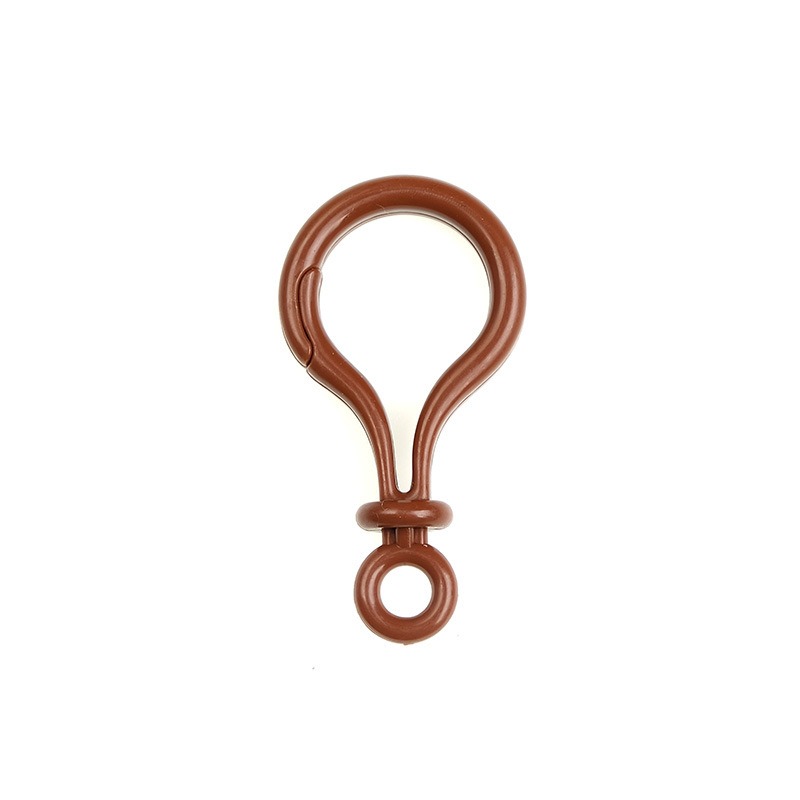

Small Plastic Brackets: Small plastic brackets are used for mounting and supporting components. PVC can be used for these brackets, but other materials may offer better strength and stability. You can find more details about Small Plastic Brackets on the linked page.
Considerations for Low - Noise Applications
When using PVC push buttons in low - noise applications, several factors need to be considered.
Design: The design of the push button can have a significant impact on noise generation. A well - designed button should minimize the contact area between moving parts and reduce the potential for friction. Additionally, the shape of the button can be optimized to distribute the force evenly when pressed, reducing mechanical noise.
Environment: The operating environment can also affect the performance of PVC push buttons. In high - humidity or high - temperature environments, PVC may degrade more quickly, leading to an increase in noise. It's important to choose the right type of PVC and take appropriate measures to protect the buttons from environmental factors.
Electrical Considerations: To minimize electrical noise, it may be necessary to use anti - static coatings or grounding techniques. This can help to dissipate static electricity and prevent interference with sensitive electronic circuits.
Conclusion
In conclusion, PVC push buttons can be suitable for low - noise applications in many cases. Their flexibility and vibration - damping properties make them a good choice for reducing mechanical noise. However, they also have some limitations, particularly in terms of electrical noise and long - term durability.
When considering PVC push buttons for low - noise applications, it's important to carefully evaluate the specific requirements of the application and take into account factors such as design, environment, and electrical considerations. By doing so, you can make an informed decision and ensure that the push buttons meet the performance and noise requirements of your project.
If you're interested in purchasing PVC push buttons for your low - noise applications, I'd be more than happy to discuss your needs. We offer a wide range of PVC push buttons with different designs and specifications. Contact us to start a procurement discussion and find the best solution for your project.
References
- "Plastic Materials in Electronics: Properties and Applications" by John Doe
- "Noise Reduction in Electronic Devices" by Jane Smith
- Industry reports on push button materials and applications.