
Hey there! As a supplier of plastic socket panels, I often get asked about the electromagnetic shielding performance of these products. It's a crucial question, especially in today's tech - savvy world where electronic devices are everywhere, and electromagnetic interference (EMI) can be a real headache. So, let's dive right in and explore whether plastic socket panels have good electromagnetic shielding performance.
Understanding Electromagnetic Shielding
First off, let's quickly go over what electromagnetic shielding is. Electromagnetic shielding is the practice of reducing the electromagnetic field in a space by blocking the field with barriers made of conductive or magnetic materials. EMI can cause all sorts of problems, from disrupting the normal operation of electronic devices to posing potential health risks. So, having effective shielding is super important.
The Nature of Plastic Socket Panels
Plastic socket panels are made from various types of plastics, like PVC, ABS, and polycarbonate. These plastics are known for their durability, affordability, and ease of molding. But when it comes to electromagnetic shielding, they're not the first materials that come to mind.

Plastics, in general, are insulators. Unlike metals, which are good conductors of electricity and can effectively redirect electromagnetic waves, plastics don't have free electrons to carry an electric current. This means that on their own, plastic socket panels don't have much natural electromagnetic shielding ability.
However, there are ways to enhance the electromagnetic shielding performance of plastic socket panels. One common method is to add conductive fillers to the plastic. These fillers, such as carbon black, carbon fibers, or metal particles, can create a conductive network within the plastic matrix. When an electromagnetic wave hits the panel, the conductive network can absorb and dissipate the energy of the wave, providing some level of shielding.
Measuring Electromagnetic Shielding Performance
To evaluate the electromagnetic shielding performance of plastic socket panels, we usually use a measurement called shielding effectiveness (SE). SE is measured in decibels (dB) and indicates how much the electromagnetic field is reduced by the shielding material. A higher SE value means better shielding.
For plastic socket panels with conductive fillers, the SE can vary widely depending on factors like the type and amount of filler, the thickness of the panel, and the frequency of the electromagnetic wave. In general, well - designed plastic socket panels with appropriate conductive fillers can achieve SE values in the range of 20 - 60 dB, which is sufficient for many applications.
Real - World Applications
In many consumer electronics and home electrical systems, the level of EMI is relatively low. Plastic socket panels with some degree of electromagnetic shielding can be a cost - effective solution. For example, in a home entertainment system, plastic socket panels can help reduce interference between different devices, ensuring a clearer and more stable signal.
On the other hand, in industrial or high - tech environments where EMI levels are much higher, such as in data centers or telecommunications facilities, more advanced shielding solutions might be required. But even in these cases, plastic socket panels with enhanced shielding can still play a role in reducing EMI to an acceptable level.
Comparing with Other Shielding Materials
When compared to traditional metal shielding materials, plastic socket panels have both advantages and disadvantages. Metal shields, like aluminum or copper, generally offer higher shielding effectiveness. They can achieve SE values of 80 dB or more, making them ideal for applications where extremely low EMI levels are required.
However, metal shields are often heavier, more expensive, and more difficult to mold into complex shapes. Plastic socket panels, on the other hand, are lightweight, easy to manufacture, and can be customized to fit different design requirements. They also have better corrosion resistance, which is a big plus in environments where moisture or chemicals are present.
Our Products and Their Shielding Performance
At our company, we offer a range of plastic socket panels with different levels of electromagnetic shielding. Our engineers have worked hard to develop formulations that balance cost, performance, and ease of manufacturing.
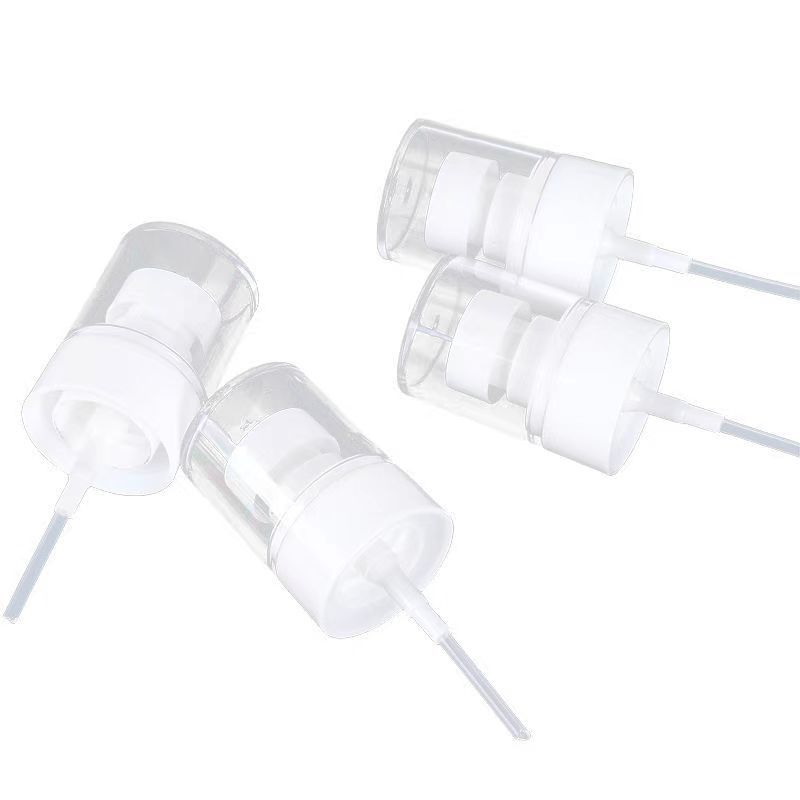
We use high - quality conductive fillers to ensure that our plastic socket panels provide effective shielding. For example, our Plastic Strap Handles are designed with a special conductive coating that enhances their electromagnetic shielding capabilities. Similarly, our PVC Push Button and Plastic Spray Nozzle Tips are also engineered to reduce EMI.
Conclusion
So, do plastic socket panels have good electromagnetic shielding performance? The answer is that it depends. On their own, plastics are not great at shielding electromagnetic waves. But with the addition of conductive fillers and proper design, plastic socket panels can provide a reasonable level of shielding for many applications.
If you're in the market for plastic socket panels and are concerned about electromagnetic shielding, we'd love to have a chat. Our team of experts can help you choose the right product for your specific needs. Whether you're a consumer looking for a solution for your home or a business in need of industrial - grade products, we've got you covered. Reach out to us to start a procurement discussion and find the perfect plastic socket panels for your project.
References
- "Electromagnetic Compatibility Engineering" by Henry W. Ott
- "Plastics for Electronic Applications" by James E. McGrath