
Hey there! I'm a supplier of plastic gears, and I know how frustrating it can be when plastic gears start to deform. It's not just a headache for you but also a big deal for me as a supplier. So, today, I'm gonna share some tips on how to prevent plastic gears from deforming.
Understanding the Causes of Plastic Gear Deformation
Before we dive into the prevention methods, it's important to understand what causes plastic gears to deform in the first place. There are a few key factors that can lead to this issue.
Temperature
Plastic materials are sensitive to temperature changes. When the temperature is too high, the plastic can soften and lose its shape. On the other hand, if it's too cold, the plastic can become brittle and crack. For example, in a manufacturing environment where there's a lot of heat generated, the plastic gears may start to warp.
Load and Stress
If the plastic gears are subjected to excessive load or stress, they can deform. This can happen when the gears are used in applications where they need to transmit high torque. For instance, in a heavy - duty machinery, the gears may experience more stress than they can handle, leading to deformation.
Chemical Exposure
Some chemicals can react with plastic and cause it to degrade or deform. If the plastic gears are used in an environment where they come into contact with harsh chemicals, it can have a negative impact on their shape and performance.
Prevention Methods
Material Selection
One of the most important steps in preventing plastic gear deformation is choosing the right material. Different plastics have different properties, and some are more resistant to deformation than others. For example, polyoxymethylene (POM) is a popular choice for plastic gears because it has good mechanical properties, high stiffness, and low friction. It can withstand a certain amount of load and temperature changes without deforming easily.
Another option is polycarbonate (PC), which is known for its high impact resistance and transparency. It can be a good choice for applications where the gears need to be visible or where there's a risk of impact. You can check out our Plastic Timing Gears which are made from high - quality materials to minimize the risk of deformation.
Design Considerations
The design of the plastic gears also plays a crucial role in preventing deformation. A well - designed gear will distribute the load evenly and reduce stress concentrations. For example, the tooth profile of the gear should be optimized to ensure smooth meshing and minimize wear.
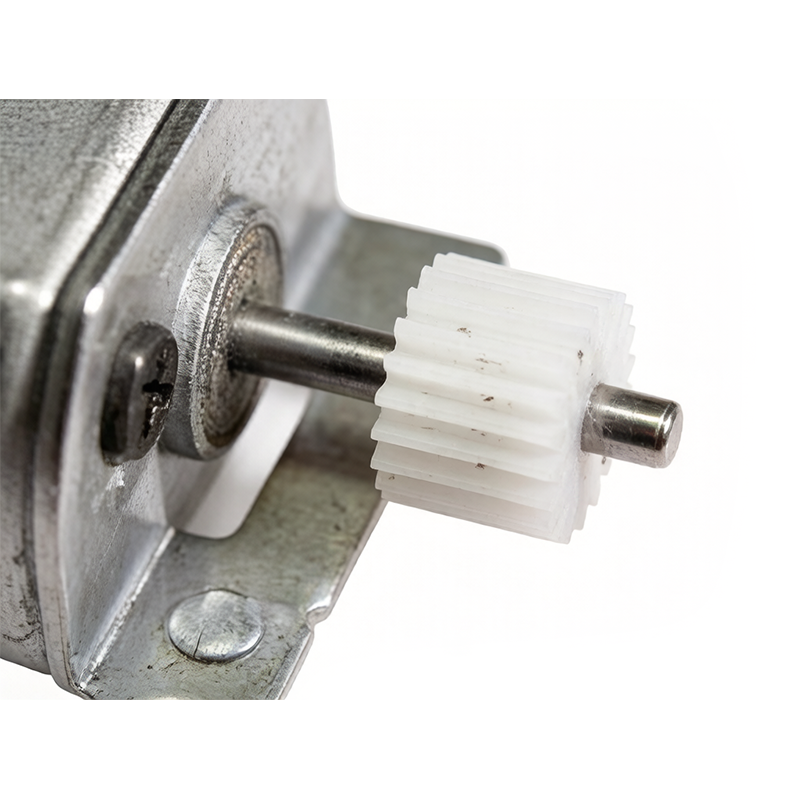
The thickness and shape of the gear also matter. A thicker gear can generally withstand more load than a thinner one. Additionally, adding ribs or other structural features to the gear can increase its stiffness and resistance to deformation. Our Plastic Gear Shaft is designed with these considerations in mind to provide better performance and durability.

Manufacturing Process
The manufacturing process of plastic gears can significantly affect their quality and resistance to deformation. Injection molding is a common method for producing plastic gears. During the injection molding process, it's important to control the temperature, pressure, and cooling rate.
If the temperature is too high during molding, the plastic may not solidify properly, leading to internal stresses and deformation. On the other hand, if the cooling rate is too fast, the plastic can shrink unevenly, causing warping. By carefully controlling these parameters, we can ensure that the plastic gears have a uniform structure and are less likely to deform.
Environmental Control
Controlling the environment where the plastic gears are used is also essential. As mentioned earlier, temperature and chemical exposure can cause deformation. If possible, try to keep the operating temperature within a suitable range for the plastic material.
For example, if the gears are used in a machine that generates a lot of heat, consider adding cooling systems to maintain a stable temperature. Also, if the gears are exposed to chemicals, make sure to choose a plastic material that is resistant to those chemicals.
Regular Inspection and Maintenance
Regular inspection and maintenance of the plastic gears can help detect early signs of deformation and prevent further damage. Check the gears for any signs of wear, cracks, or warping. If you notice any issues, take appropriate action, such as replacing the gears or adjusting the operating conditions.
Case Studies
Let's take a look at a couple of case studies to see how these prevention methods work in real - life situations.
Case 1: A Manufacturing Plant
In a manufacturing plant, plastic gears were used in a conveyor system. The gears were made from a low - quality plastic material and were subjected to high temperatures and heavy loads. As a result, the gears started to deform after a few months of use, causing the conveyor system to malfunction.
The plant management decided to switch to a higher - quality plastic material, POM, and optimized the gear design. They also installed a cooling system to control the temperature in the area where the gears were operating. After these changes, the gears showed significantly less deformation, and the conveyor system ran smoothly for a longer period.
Case 2: A Consumer Product
A consumer product, such as a small electric toy, used Small Plastic Gear Wheels. The gears were exposed to a variety of environmental conditions, including temperature changes and minor impacts. By using a durable plastic material and designing the gears with proper tooth profiles and structural features, the gears were able to withstand these conditions without deforming.
Conclusion
Preventing plastic gear deformation requires a combination of proper material selection, design considerations, manufacturing processes, environmental control, and regular maintenance. As a plastic gear supplier, I'm committed to providing high - quality products that are less likely to deform.
If you're in the market for plastic gears and want to learn more about how to prevent deformation or have specific requirements for your application, feel free to reach out. We can have a detailed discussion to find the best solutions for you. Let's work together to ensure that your plastic gears perform at their best and last for a long time.
References
- "Plastic Materials for Engineering Applications" by John Doe
- "Gear Design and Manufacturing" by Jane Smith
- Industry reports on plastic gear performance and durability.